
Yes, dogs can eat plain baked bread in moderation as an occasional treat. Plain white or whole wheat bread is generally safe for healthy dogs, but it offers little nutritional value and should never replace a balanced dog diet. Bread made with harmful ingredients such as raisins, garlic, onions, chocolate, xylitol, or raw yeast dough can be dangerous and should never be fed to dogs. While small amounts of plain bread are unlikely to cause harm, overfeeding can contribute to weight gain and digestive issues. Always choose simple, fully baked bread, serve it in small portions, and consult your veterinarian if your dog has health conditions or accidentally eats toxic bread ingredients.

Can Dogs Eat Bread?
Yes, dogs can eat plain bread in moderation, but it should only be an occasional treat—not a regular part of their diet. Plain white or whole wheat bread is generally safe for healthy dogs as long as it doesn’t contain harmful ingredients like raisins, garlic, onions, xylitol, or chocolate.
While bread isn’t toxic to most dogs, it also offers very little nutritional value. Feeding too much bread can contribute to unnecessary calories, weight gain, and digestive issues.
If you’re wondering whether bread is a healthy snack for your furry friend, this guide explains everything you need to know.
Table of Contents
- Can Dogs Eat Bread?
- Is Bread Safe for Dogs?
- Nutritional Value of Bread
- Health Benefits
- Potential Risks
- Types of Bread Dogs Can and Cannot Eat
- How Much Bread Can Dogs Eat?
- Puppies and Bread
- Symptoms of Bread Intolerance
- What to Do if Your Dog Eats Unsafe Bread
- Frequently Asked Questions
- Final Verdict
Is Bread Safe for Dogs?
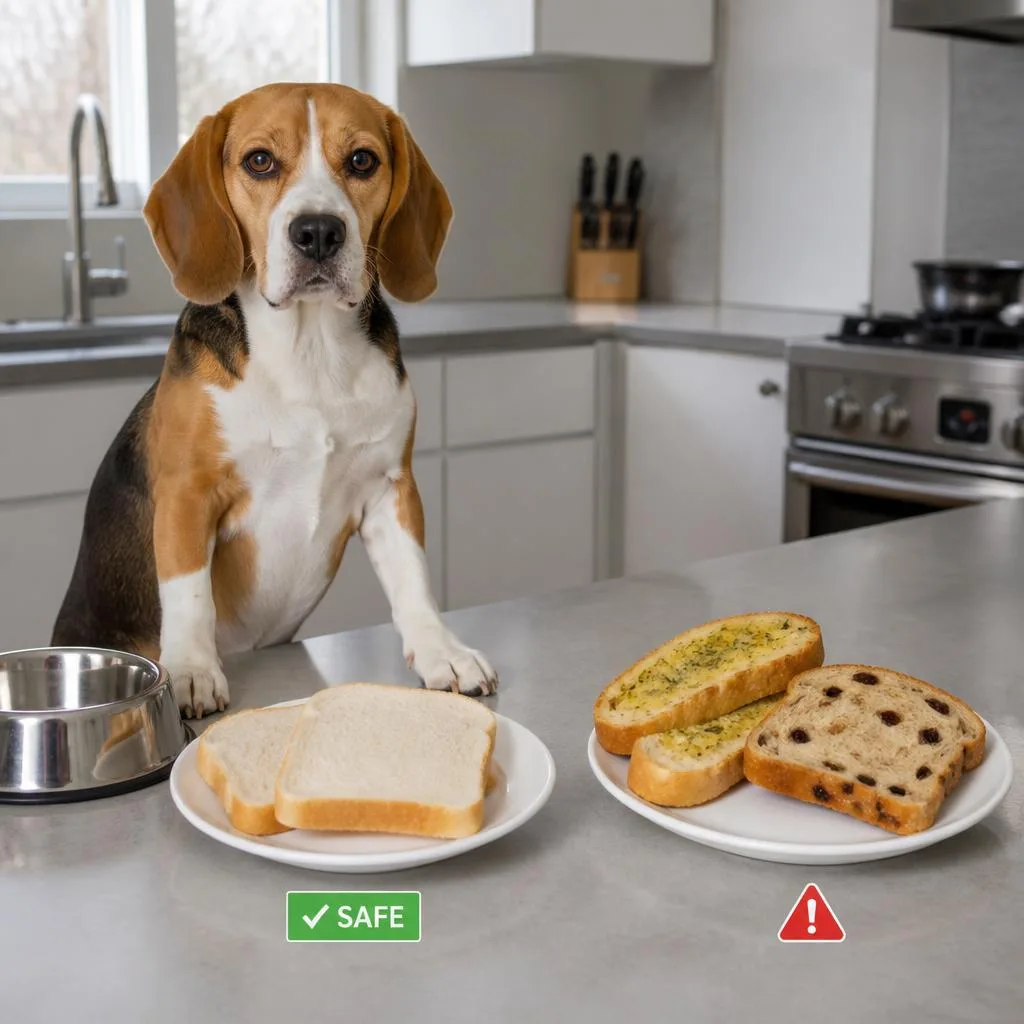
For most healthy dogs, plain baked bread is safe in small amounts.
Bread should be considered a treat rather than a meal replacement because it lacks many nutrients dogs need, including high-quality protein, healthy fats, vitamins, and minerals.
Dogs with allergies, diabetes, obesity, or digestive sensitivities may not tolerate bread well. Always consult your veterinarian if your dog has a medical condition.
Nutritional Value of Bread
Although bread contains some nutrients, it’s not considered a complete food for dogs.
| Nutrient | Found in Bread | Benefit for Dogs |
|---|---|---|
| Carbohydrates | ✅ | Provides energy |
| Fiber (whole wheat) | ✅ | Supports digestion |
| Protein | Small amount | Minimal benefit |
| B Vitamins | Small amount | Supports metabolism |
| Iron | Small amount | Helps blood health |
| Healthy Fats | Very low | Limited value |
Compared to balanced dog food, bread is much lower in essential nutrients.
Health Benefits of Bread for Dogs
When fed occasionally, plain bread may provide a few minor benefits.
1. Quick Source of Energy
Bread contains carbohydrates that provide temporary energy for active dogs.
2. Gentle on the Stomach
Plain white bread may sometimes help settle a mildly upset stomach when recommended by a veterinarian.
3. Easy to Digest
Soft baked bread is generally easy for healthy adult dogs to chew and digest.
4. Convenient Treat
Small bread pieces can occasionally be used as a reward during training, although healthier treats are usually better.
Potential Risks of Feeding Bread
Despite being generally safe, bread has several drawbacks.
Weight Gain
Bread contains calories without offering complete nutrition. Regular feeding may contribute to obesity.
High Sodium
Some commercial breads contain more salt than dogs need.
Added Sugar
Sweet breads often contain excess sugar that can lead to unhealthy weight gain.
Digestive Upset
Too much bread may cause:
- Gas
- Bloating
- Constipation
- Loose stools
Food Allergies
Some dogs are sensitive or allergic to wheat or gluten.
Dangerous Bread Ingredients
Never feed bread containing these ingredients:
- Raisins
- Grapes
- Garlic
- Onion
- Chocolate
- Macadamia nuts
- Xylitol
- Alcohol
- Large amounts of salt
- Artificial sweeteners
Even a small amount of some of these ingredients can be dangerous.
Can Dogs Eat White Bread?
Yes.
Plain white bread is generally safe in moderation if it contains no toxic ingredients.
However, it offers little nutritional value.
Can Dogs Eat Whole Wheat Bread?
Yes.
Whole wheat bread contains more fiber than white bread and is usually a better choice for healthy dogs.
Avoid varieties containing seeds, nuts, or dried fruit.
Can Dogs Eat Multigrain Bread?
Sometimes.
Only if it contains dog-safe grains and no toxic ingredients.
Always check the ingredient label carefully.
Can Dogs Eat Garlic Bread?
No.
Garlic is toxic to dogs and may damage red blood cells.
Garlic bread should never be given.
Can Dogs Eat Raisin Bread?
Absolutely not.
Raisins are highly toxic and may cause sudden kidney failure.
Seek immediate veterinary care if your dog eats raisin bread.
Can Dogs Eat Banana Bread?
Usually not recommended.
Many recipes contain:
- Too much sugar
- Butter
- Chocolate chips
- Xylitol
- Nuts
Plain homemade banana bread without harmful ingredients is still best avoided because it’s high in calories.
Can Dogs Eat Sourdough Bread?
Baked sourdough is generally safe in small amounts.
However, raw sourdough dough is extremely dangerous because it can expand in the stomach and produce alcohol during fermentation.
Never allow dogs to eat raw bread dough.
Why Raw Bread Dough Is Dangerous
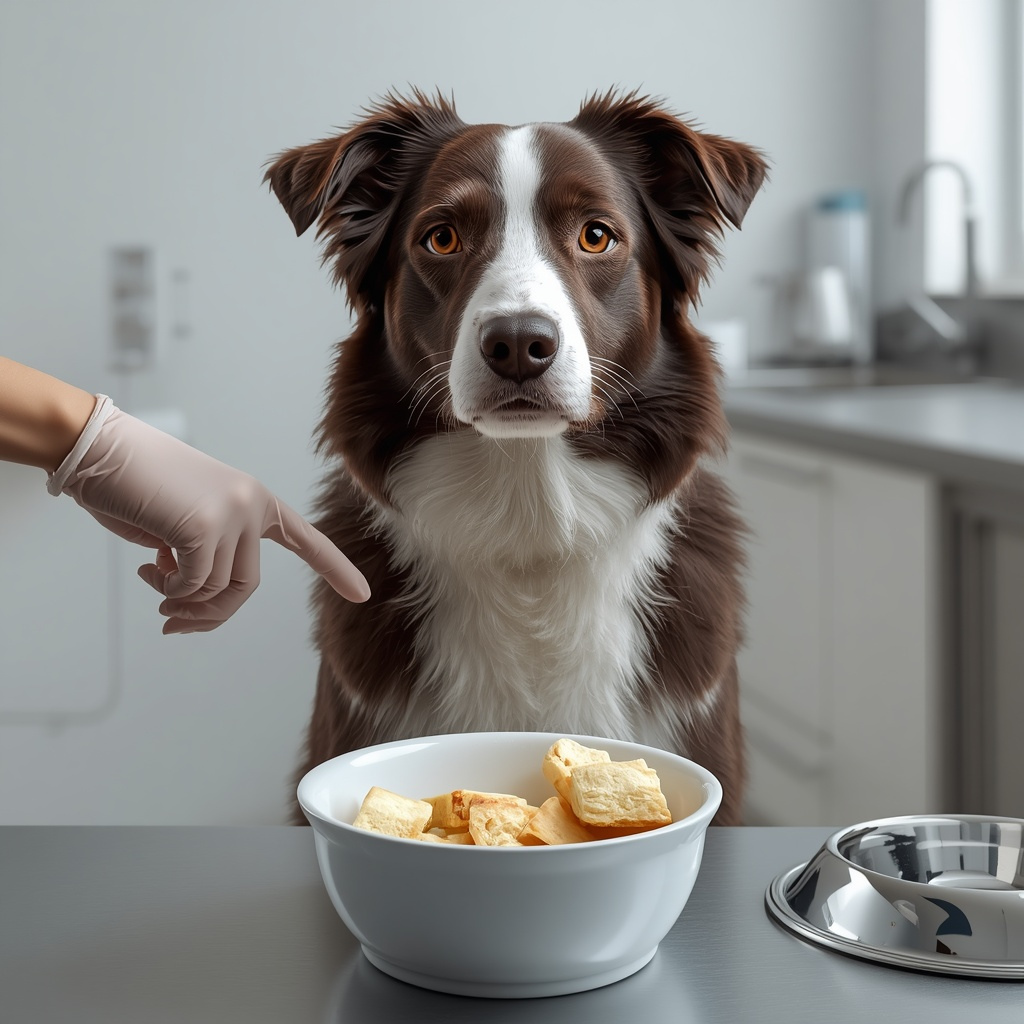
Raw yeast dough is one of the biggest bread-related dangers.
Inside a dog’s stomach, yeast continues to ferment.
This can cause:
- Severe bloating
- Twisted stomach (GDV)
- Alcohol poisoning
- Difficulty breathing
- Collapse
Raw bread dough is a veterinary emergency.
How Much Bread Can Dogs Eat?
Bread should make up no more than 10% of your dog’s daily calorie intake.
General serving guide:
| Dog Size | Serving |
|---|---|
| Small | ½ small piece |
| Medium | 1 small slice |
| Large | 1–2 small slices occasionally |
Offer bread only once in a while, not every day.
Can Puppies Eat Bread?
Puppies can eat a tiny amount of plain bread occasionally.
However, puppies need nutrient-rich foods for healthy growth, so bread should not become a regular snack.
Signs Your Dog Doesn’t Tolerate Bread
Watch for symptoms such as:
- Vomiting
- Diarrhea
- Excessive gas
- Itching
- Ear infections
- Skin irritation
- Lethargy
Stop feeding bread and contact your veterinarian if symptoms continue.
What to Do If Your Dog Eats Unsafe Bread
If your dog eats bread containing raisins, garlic, onions, chocolate, xylitol, or raw yeast dough:
- Stay calm.
- Determine how much was eaten.
- Keep the packaging if possible.
- Contact your veterinarian immediately.
- Do not wait for symptoms to appear.
Prompt treatment can make a significant difference.
Frequently Asked Questions
Can dogs eat bread every day?
No. Bread should only be an occasional treat.
Is bread healthier than dog treats?
Not usually. Healthy dog treats are formulated to meet canine nutritional needs.
Can diabetic dogs eat bread?
It’s generally best to avoid bread unless your veterinarian advises otherwise, as bread can raise blood sugar.
Can dogs eat toast?
Plain toast without butter, garlic, or spreads is generally safe in small amounts.
Can dogs eat bread crust?
Yes, plain bread crust is usually safe, but it offers no additional nutritional benefit.
Final Verdict
Can dogs eat bread? Yes, healthy dogs can enjoy plain baked white or whole wheat bread in moderation. Bread is not toxic on its own, but it should never replace a balanced diet. Avoid breads containing raisins, garlic, onions, chocolate, xylitol, or other harmful ingredients, and never let your dog eat raw yeast dough.
As with any treat, moderation is key. When in doubt, choose dog-specific snacks that provide better nutrition and always consult your veterinarian if your dog has underlying health conditions.
Previous Article Link Here.