
Carrots are a safe, healthy, and low-calorie treat for most dogs when served in moderation. Rich in vitamin A, fiber, and antioxidants, they can support eye health, digestion, and the immune system while providing a satisfying crunch. Dogs can enjoy carrots raw, cooked, or frozen, but they should always be cut into bite-sized pieces to reduce the risk of choking. Avoid feeding carrots with butter, salt, garlic, onions, or other seasonings. While carrots make an excellent occasional snack, they should never replace a complete and balanced dog diet. If your dog has a medical condition or experiences digestive upset after eating carrots, consult your veterinarian before offering them again.
Can Dogs Eat Carrots?
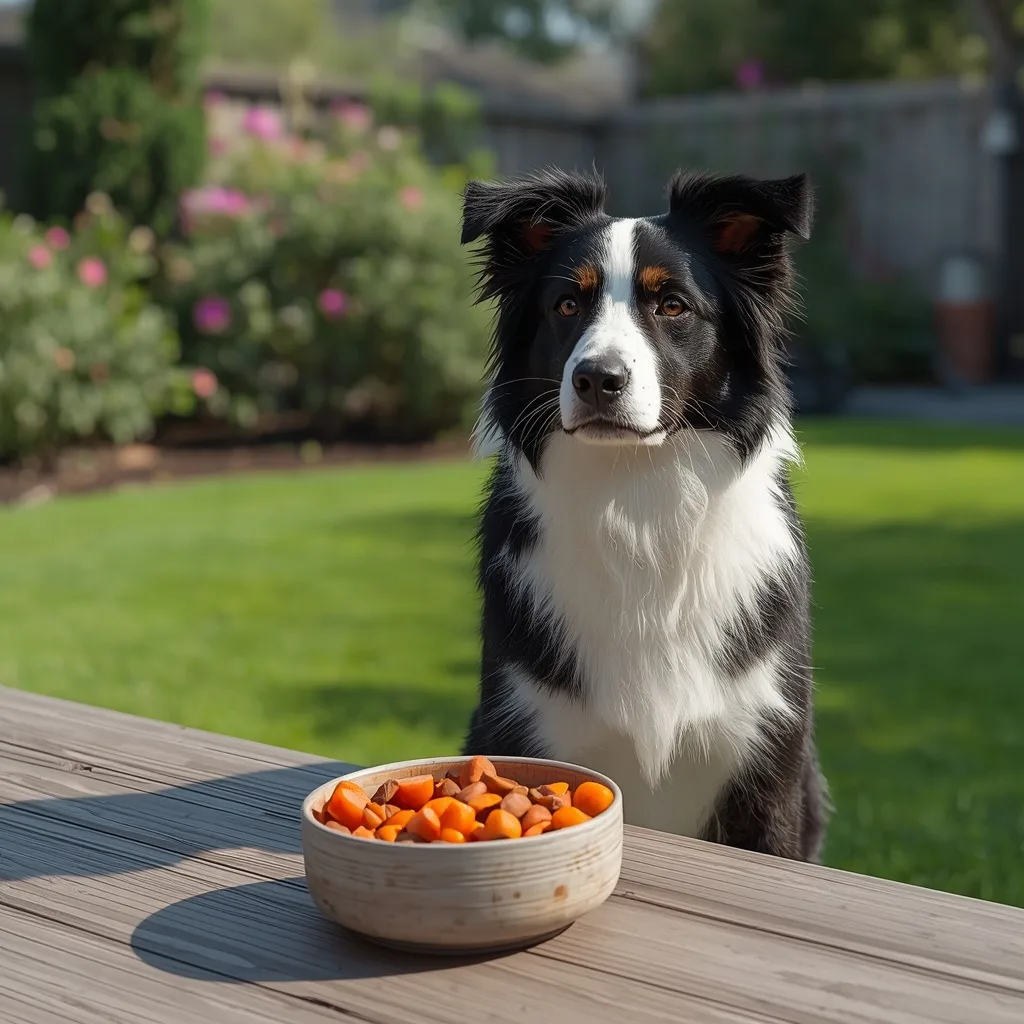
Yes! Dogs can safely eat carrots, and they are one of the healthiest vegetables you can offer as an occasional treat. Carrots are naturally low in calories, high in fiber, and packed with important nutrients such as vitamin A, potassium, and antioxidants.
Many veterinarians recommend carrots as a healthier alternative to processed dog treats. Whether served raw, cooked, or frozen, carrots can be a delicious snack for most healthy dogs when fed in moderation.
In this guide, you’ll learn the benefits of carrots, possible risks, the correct serving size, and the safest way to feed them.
Are Carrots Safe for Dogs?
Yes. Fresh carrots are generally safe for puppies and adult dogs. Admin.
Carrots contain nutrients that support eye health, immune function, healthy skin, and digestion. Since they contain very little fat, they are also a great reward for overweight dogs that need lower-calorie treats.
However, carrots should never replace a complete and balanced dog food. They should only be offered as an occasional snack.
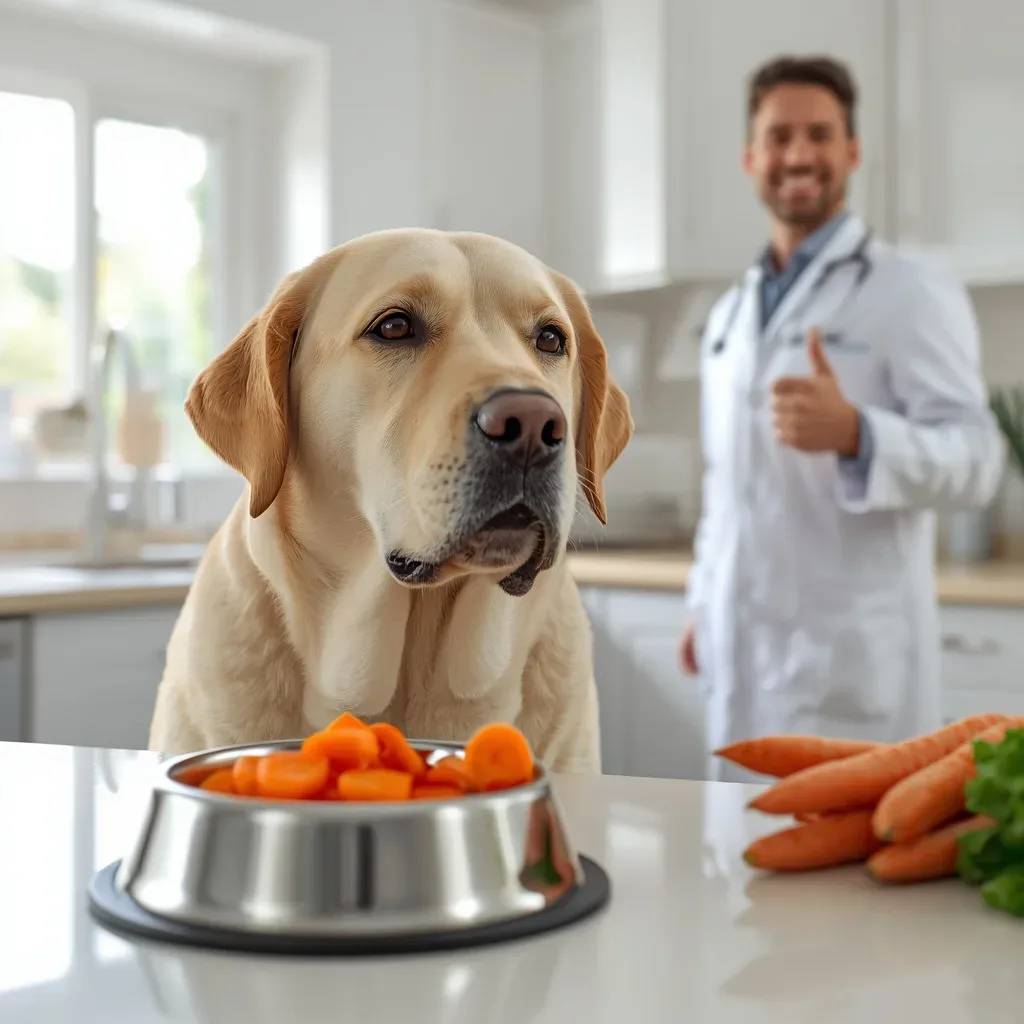
Health Benefits of Carrots for Dogs
1. Rich in Vitamin A
Carrots are an excellent source of vitamin A, which supports healthy eyesight, immune function, and skin health.
2. Supports Healthy Digestion
Carrots contain dietary fiber that helps maintain healthy digestion and may improve stool quality when offered in appropriate amounts.
3. Low-Calorie Treat
Compared to many commercial treats, carrots are naturally low in calories, making them a smart option for dogs that need weight management.
4. Great for Dental Health
Crunching raw carrot pieces may help reduce plaque buildup while satisfying your dog’s natural chewing instinct. Carrots are not a replacement for regular dental care, but they can provide an additional benefit.
5. Full of Antioxidants
Carrots contain antioxidants that help protect body cells from damage caused by free radicals and support overall health.
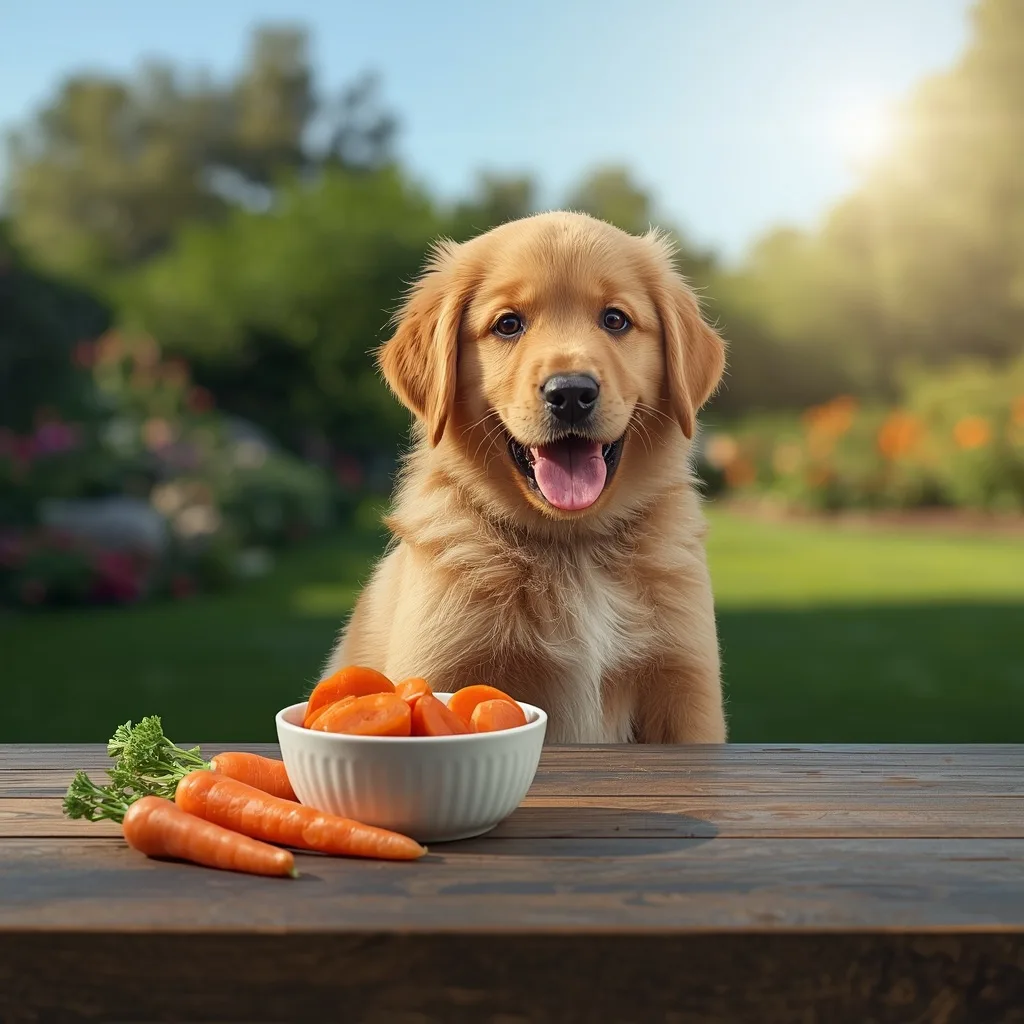
Can Puppies Eat Carrots?
Yes, puppies can eat carrots after they begin eating solid foods.
For young puppies, serve soft cooked carrots or very small pieces to reduce the risk of choking. Avoid giving large raw carrots to small puppies because they may be difficult to chew.
Always supervise your puppy while eating.
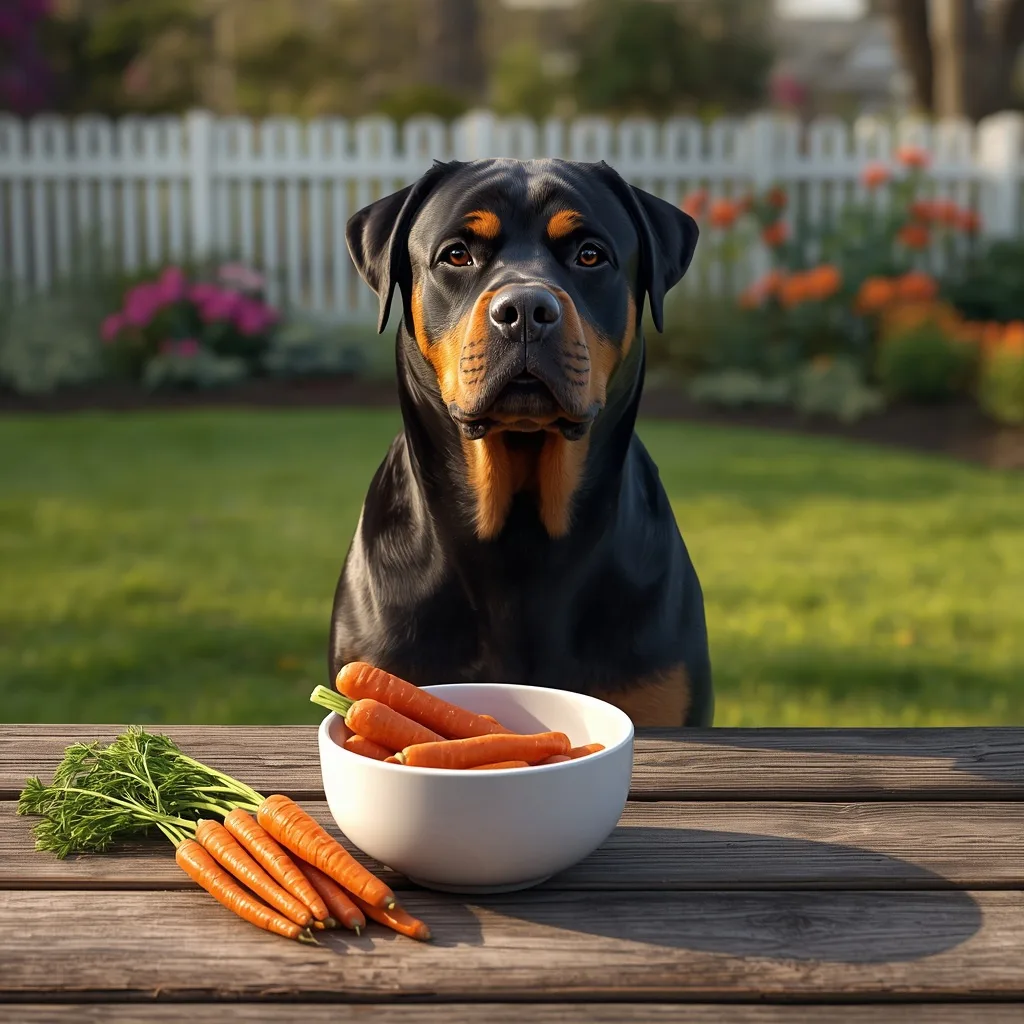
Can Dogs Eat Raw Carrots?
Yes.
Raw carrots are crunchy and nutritious, and many dogs enjoy chewing on them.
For safety:
- Cut carrots into bite-sized pieces.
- Avoid giving large whole carrots to small dogs.
- Supervise your dog while chewing.
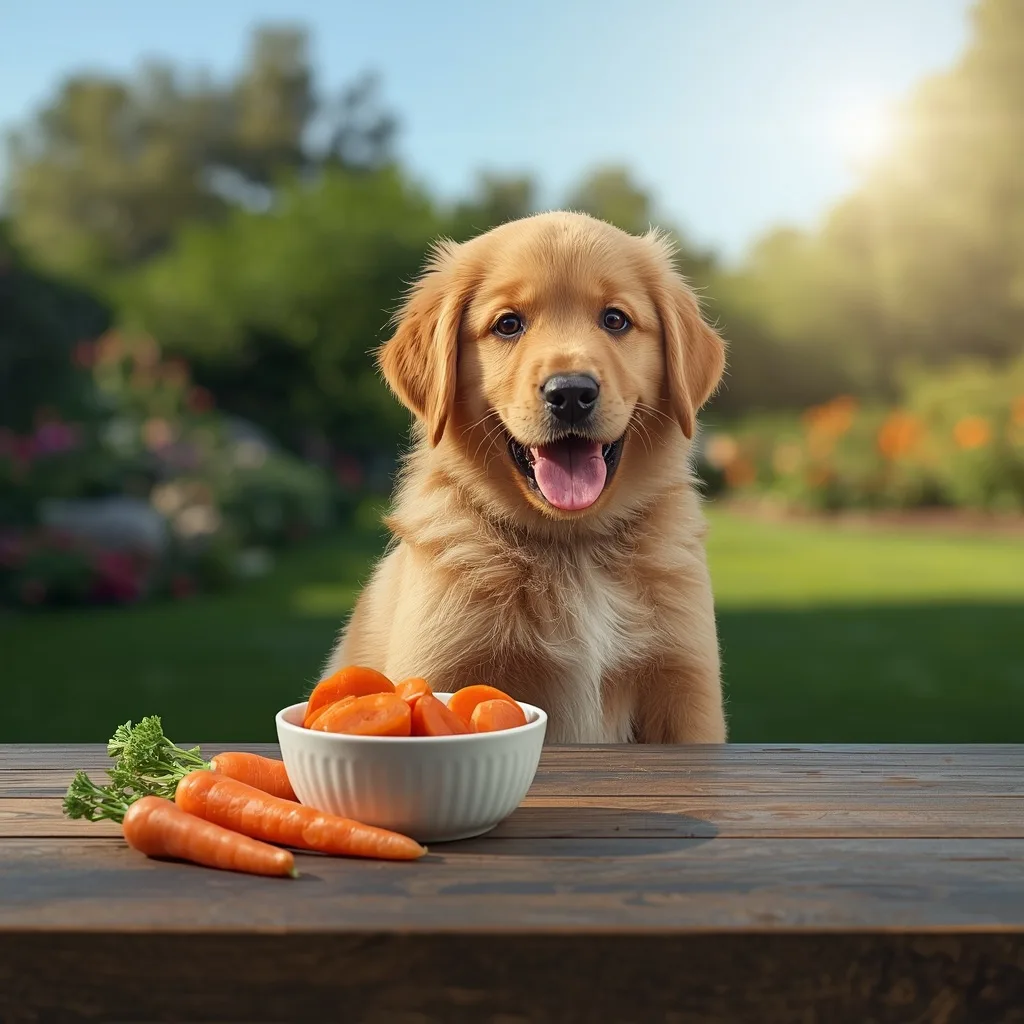
Can Dogs Eat Cooked Carrots?
Absolutely.
Steamed or boiled carrots are easier to chew and digest than raw carrots.
Do not add:
- Salt
- Butter
- Garlic
- Onion
- Spicy seasonings
- Sauces
Plain cooked carrots are the healthiest choice.
Can Dogs Eat Frozen Carrots?
Yes.
Frozen carrots make a refreshing treat during warm weather and may help soothe teething puppies.
Offer appropriately sized pieces and supervise your dog while chewing.
How Much Carrot Can Dogs Eat?
Carrots should be treated as an occasional snack rather than a meal.
General serving guide:
Small dogs:
1–3 small slices
Medium dogs:
3–6 slices
Large dogs:
Half to one medium carrot
Treats should make up no more than about 10% of your dog’s daily calorie intake.
Are There Any Risks?
Although carrots are healthy, there are a few things to remember.
Choking Hazard
Large carrot chunks can become a choking risk, especially for small dogs.
Always cut carrots into manageable pieces.
Digestive Upset
Too many carrots may cause:
- Gas
- Loose stools
- Mild stomach discomfort
Introduce carrots gradually.
Too Much Vitamin A
While uncommon, feeding excessive amounts of carrots every day is unnecessary. A balanced diet already provides most dogs with the nutrients they need.
Signs Your Dog Doesn’t Tolerate Carrots Well
Stop feeding carrots and contact your veterinarian if your dog experiences:
- Repeated vomiting
- Persistent diarrhea
- Difficulty swallowing
- Excessive coughing while eating
- Severe abdominal discomfort
Most dogs tolerate carrots very well, but every dog is different.
Best Ways to Feed Carrots
Healthy serving ideas include:
- Fresh carrot slices
- Steamed carrot cubes
- Frozen carrot sticks
- Mashed cooked carrots mixed into dog food
- Small carrot pieces used as training treats
Avoid fried carrots or recipes containing seasonings.
Frequently Asked Questions
Can dogs eat carrots every day?
Yes, but only in moderation. Small amounts are generally safe as part of a balanced diet.
Can diabetic dogs eat carrots?
Carrots contain natural sugars but are relatively low in calories. If your dog has diabetes, speak with your veterinarian before making dietary changes.
Can dogs eat carrot cake?
No. Carrot cake usually contains sugar, butter, spices, and sometimes raisins or xylitol-containing sweeteners, which can be dangerous for dogs.
Are baby carrots safe for dogs?
Yes. Plain baby carrots are safe when served in appropriate sizes and under supervision.
Can senior dogs eat carrots?
Yes. Soft cooked carrots are often easier for senior dogs with dental problems.
Final Verdict
So, can dogs eat carrots?
Yes. Carrots are one of the healthiest vegetables you can offer your dog as an occasional treat. They are rich in vitamins, low in calories, high in fiber, and easy to include in a balanced diet.
Whether served raw, cooked, or frozen, carrots can be a nutritious reward when prepared properly and fed in moderation. Always introduce new foods slowly, cut carrots into safe bite-sized pieces, and contact your veterinarian if your dog has a medical condition or experiences unusual symptoms after eating them.
Choosing healthy treats like carrots is a simple way to support your dog’s overall health while keeping snack time enjoyable.
Previous Article Click Here.