
Many dog owners wonder, can dogs eat honey? The short answer is yes—dogs can eat honey in small amounts. Honey contains natural sugars, antioxidants, vitamins, and minerals that may provide some health benefits. However, it should only be given as an occasional treat because it is high in sugar and calories.
In this guide, you’ll learn whether honey is safe for dogs, its benefits, potential risks, proper serving sizes, and the safest way to feed it.
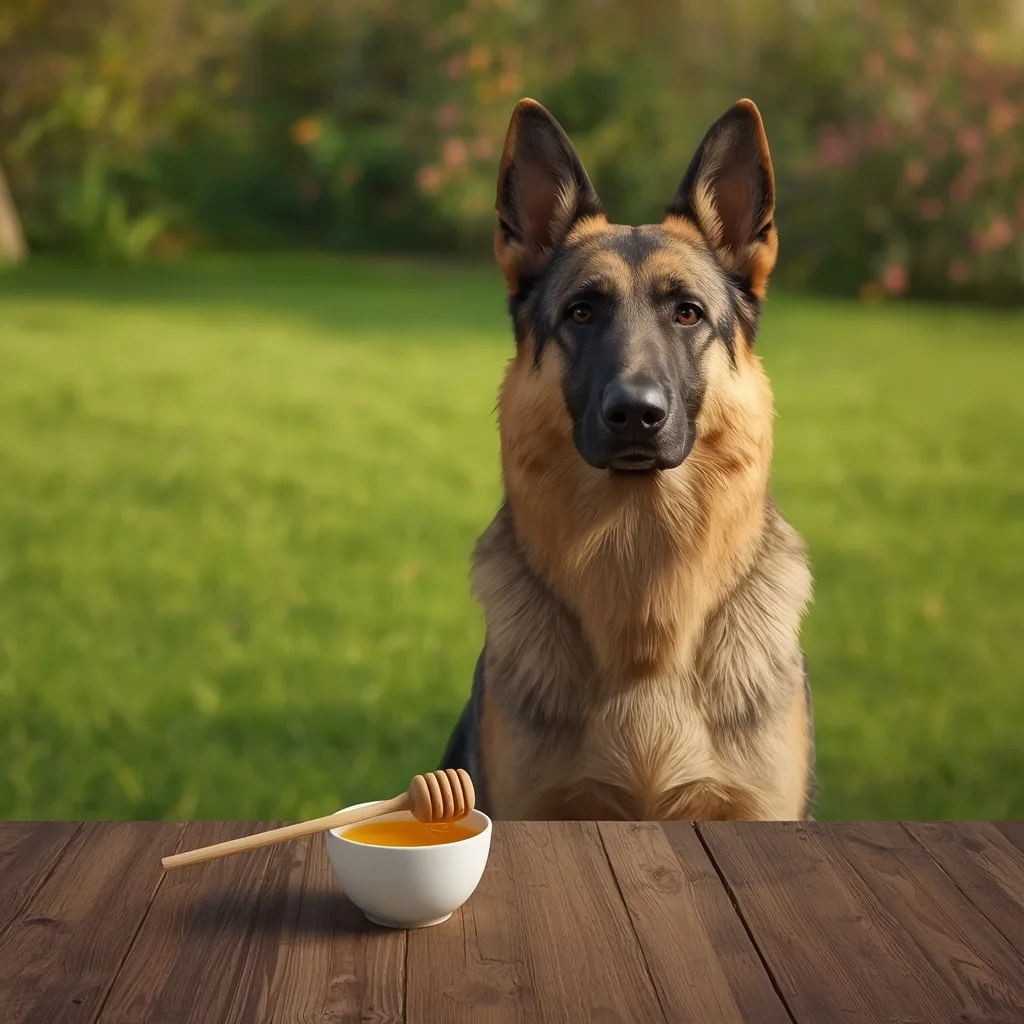
Is Honey Safe for Dogs?
Yes, plain, natural honey is generally safe for healthy adult dogs when fed in moderation.
Honey is a natural sweetener produced by bees from flower nectar. It contains:
- Natural sugars (glucose and fructose)
- Antioxidants
- Small amounts of vitamins
- Minerals such as potassium, calcium, magnesium, and iron
- Amino acids
Although honey offers nutritional value, dogs do not need it as part of their regular diet. A balanced commercial dog food already provides the nutrients they need.
Health Benefits of Honey for Dogs
When offered occasionally, honey may provide several benefits.
1. Rich in Antioxidants
Honey contains antioxidants that help protect cells from damage caused by free radicals. Antioxidants may support overall health and healthy aging.
2. Supports the Immune System
Raw honey contains natural compounds that may help support a healthy immune system in adult dogs.
3. May Soothe a Sore Throat
Some pet owners use a small amount of honey to soothe mild throat irritation or coughing, although it should never replace veterinary care if symptoms persist.
4. Natural Energy Source
Because honey is rich in natural sugars, it provides a quick source of energy for active dogs.
5. May Support Skin Health
Some veterinarians may recommend medical-grade honey for specific wound care. However, do not apply household honey to wounds unless instructed by your veterinarian.
Risks of Feeding Honey to Dogs
Despite its benefits, honey also has several drawbacks.
High Sugar Content
Honey contains a large amount of natural sugar.
Too much sugar may contribute to:
- Weight gain
- Obesity
- Dental problems
- Increased risk of diabetes
Digestive Upset
Eating too much honey may cause:
- Upset stomach
- Vomiting
- Diarrhea
- Gas
Raw Honey and Puppies
Raw honey may contain bacterial spores. Healthy adult dogs usually tolerate these without issues, but puppies under one year old should not eat raw honey because their immune systems are still developing.
Dogs With Diabetes
Dogs diagnosed with diabetes should generally avoid honey unless specifically approved by a veterinarian.

Can Puppies Eat Honey?
It is best to avoid feeding raw honey to puppies under 12 months of age.
Puppies have immature immune systems and may be more vulnerable to harmful bacteria found in raw honey.
If you have questions about your puppy’s diet, consult your veterinarian first.
How Much Honey Can Dogs Eat?
Honey should only be an occasional treat.
Recommended Serving Size
| Dog Size | Honey Amount |
|---|---|
| Extra Small (under 10 lbs) | A few drops |
| Small (10–20 lbs) | 1/4 teaspoon |
| Medium (20–50 lbs) | 1/2 teaspoon |
| Large (50–90 lbs) | 1 teaspoon |
| Giant (90+ lbs) | Up to 2 teaspoons occasionally |
Treats, including honey, should make up no more than 10% of your dog’s daily calorie intake.
Best Way to Feed Honey
Safe ways include:
- Mix a tiny amount into regular dog food
- Spread a thin layer inside a lick mat
- Mix with plain pumpkin puree
- Add a small amount to plain unsweetened yogurt
- Offer directly from a spoon in very small quantities
Avoid Feeding Honey With
Never combine honey with foods that are toxic to dogs, including:
- Chocolate
- Xylitol
- Grapes
- Raisins
- Macadamia nuts
- Onions
- Garlic
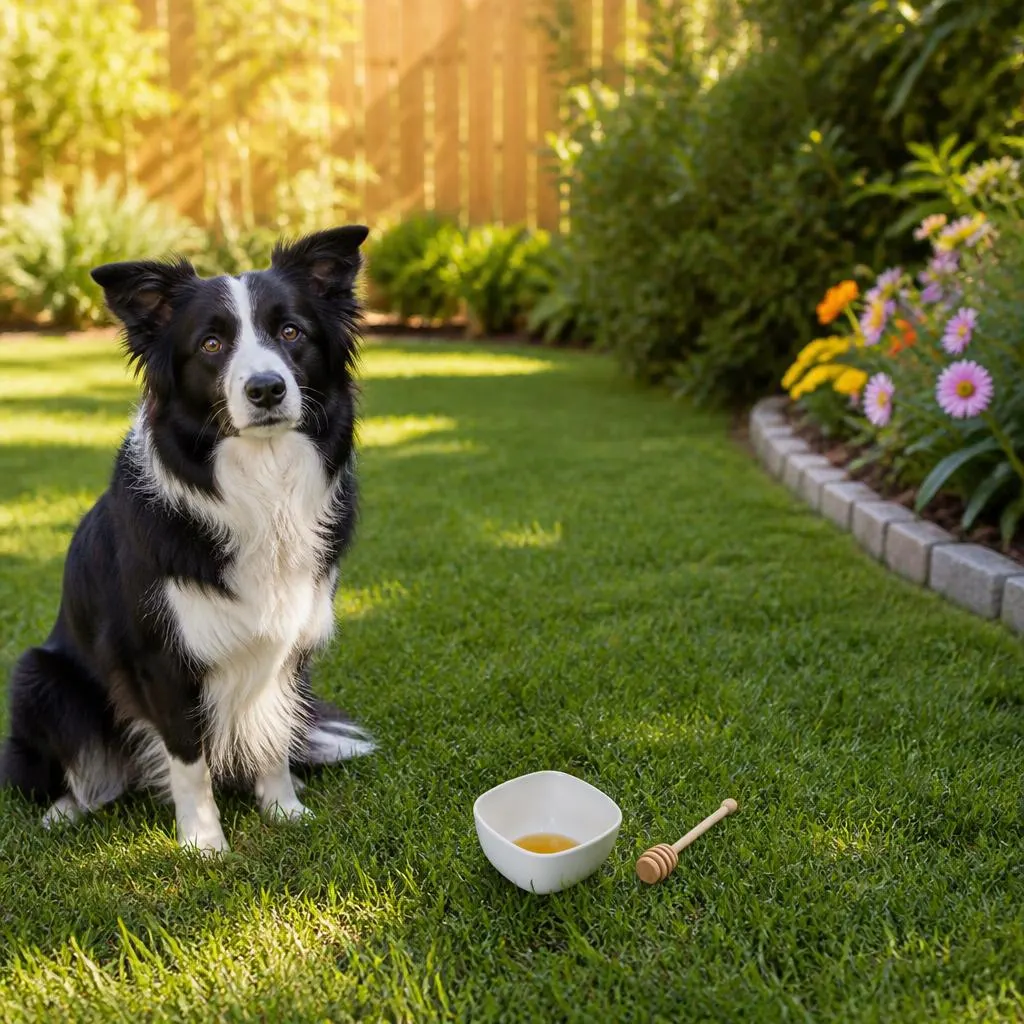
Signs Your Dog Ate Too Much Honey
Watch for symptoms such as:
- Diarrhea
- Vomiting
- Excessive thirst
- Lethargy
- Stomach discomfort
- Loss of appetite
If symptoms are severe or persist, contact your veterinarian.
Frequently Asked Questions (FAQs)
Can dogs eat raw honey?
Yes, healthy adult dogs can usually eat small amounts of raw honey. However, avoid giving raw honey to puppies under one year old and dogs with weakened immune systems unless advised by a veterinarian.
Can dogs eat honey every day?
No. Honey is high in sugar and should only be given occasionally as a treat.
Is honey good for dogs with allergies?
Some people believe local honey helps with seasonal allergies, but scientific evidence in dogs is limited. Consult your veterinarian before using honey for allergy management.
Can diabetic dogs eat honey?
Generally, no. Because honey contains natural sugars, diabetic dogs should avoid it unless a veterinarian specifically recommends otherwise.
Which type of honey is best for dogs?
Plain, natural honey without added sugar, artificial sweeteners, or flavorings is the safest option.
Can Dogs Eat Honey?
Honey vs. Other Sweet Treats for Dogs
Here’s how honey compares to other common sweet foods.
| Food | Safe for Dogs? | Notes |
|---|---|---|
| Honey | ✅ Yes, in moderation | High in natural sugar; occasional treat only. |
| Peanut Butter | ✅ Yes | Choose unsalted peanut butter that contains no xylitol. |
| Maple Syrup | ⚠️ Rarely | Safe in tiny amounts but offers little nutritional value. |
| White Sugar | ❌ Not Recommended | Empty calories and no health benefits. |
| Artificial Sweeteners | ❌ Never | Xylitol is highly toxic to dogs. |
| Corn Syrup | ❌ Avoid | High in sugar with no nutritional benefit. |
Common Mistakes Dog Owners Make
Avoid these common feeding mistakes:
Giving Too Much Honey
Even though honey is natural, too much can lead to obesity, digestive upset, and dental problems.
Feeding Honey Every Day
Honey should only be an occasional reward—not a daily supplement.
Giving Honey to Puppies
Puppies under 12 months should avoid raw honey because of their developing immune systems.
Ignoring Existing Health Conditions
Dogs with diabetes, obesity, or pancreatitis may need to avoid honey completely.
Choosing Flavored Honey
Avoid honey products containing added sugar, artificial flavors, chocolate, or xylitol.
Can Dogs Be Allergic to Honey?
Although uncommon, some dogs may have an allergic reaction.
Watch for symptoms such as:
- Excessive itching
- Swollen face
- Red skin
- Hives
- Vomiting
- Difficulty breathing (emergency)
Stop feeding honey and contact your veterinarian immediately if you notice any severe reactions.
Veterinary Safety Tips
Follow these guidelines whenever introducing honey:
- Start with a very small amount.
- Use only plain, natural honey.
- Avoid products with artificial sweeteners.
- Limit treats to 10% of daily calories.
- Always provide fresh drinking water.
- Monitor your dog for 24 hours after trying a new food.
When Should You Avoid Giving Honey?
Do not feed honey if your dog:
- Has diabetes
- Is overweight or obese
- Has pancreatitis
- Is under one year old (raw honey)
- Has a weakened immune system unless your veterinarian approves
Healthy Alternatives to Honey
If you want to reward your dog with healthier options, consider:
- Plain pumpkin puree
- Fresh blueberries
- Apple slices (without seeds)
- Banana slices
- Watermelon (seedless)
- Plain cooked sweet potato
- Carrot sticks
- Green beans
These foods generally provide more fiber and fewer sugars than honey.
Frequently Asked Questions
Can dogs eat honey on toast?
No. Toast is not toxic, but it provides little nutritional value. If offering honey, it’s better to give only a tiny amount of plain honey rather than honey on bread.
Can dogs eat Manuka honey?
Healthy adult dogs can have a very small amount of plain Manuka honey occasionally, but it should still be treated like any other honey because it is high in natural sugar.
Can dogs eat honey when coughing?
A small amount of honey may help soothe mild throat irritation in some dogs. However, persistent coughing should always be evaluated by a veterinarian, as it may indicate an underlying illness.
Can honey help dogs with seasonal allergies?
There is limited scientific evidence that honey helps reduce seasonal allergies in dogs. It should not replace veterinary treatment.
Can senior dogs eat honey?
Yes, healthy senior dogs may enjoy a tiny amount occasionally. Dogs with diabetes, obesity, or other medical conditions should only have honey if their veterinarian approves.
Key Takeaways
- ✅ Healthy adult dogs can safely eat plain honey in moderation.
- ✅ Honey contains antioxidants and trace nutrients.
- ✅ Feed only small amounts as an occasional treat.
- ❌ Avoid giving honey to diabetic or obese dogs unless advised by a veterinarian.
- ❌ Puppies under one year old should not eat raw honey.
- ❌ Never feed honey products containing xylitol or other artificial sweeteners.
Conclusion
Can dogs eat honey? Yes—healthy adult dogs can enjoy small amounts of plain, natural honey as an occasional treat. While honey provides antioxidants and trace minerals, it is also high in natural sugars, making moderation essential.
For most dogs, honey should never replace a balanced diet. If your dog has diabetes, obesity, pancreatitis, or another medical condition, consult your veterinarian before offering honey.
By following proper serving guidelines and choosing plain, additive-free honey, you can safely let your dog enjoy this natural sweet treat from time to time.
Previous Article Link Here.