Introduction
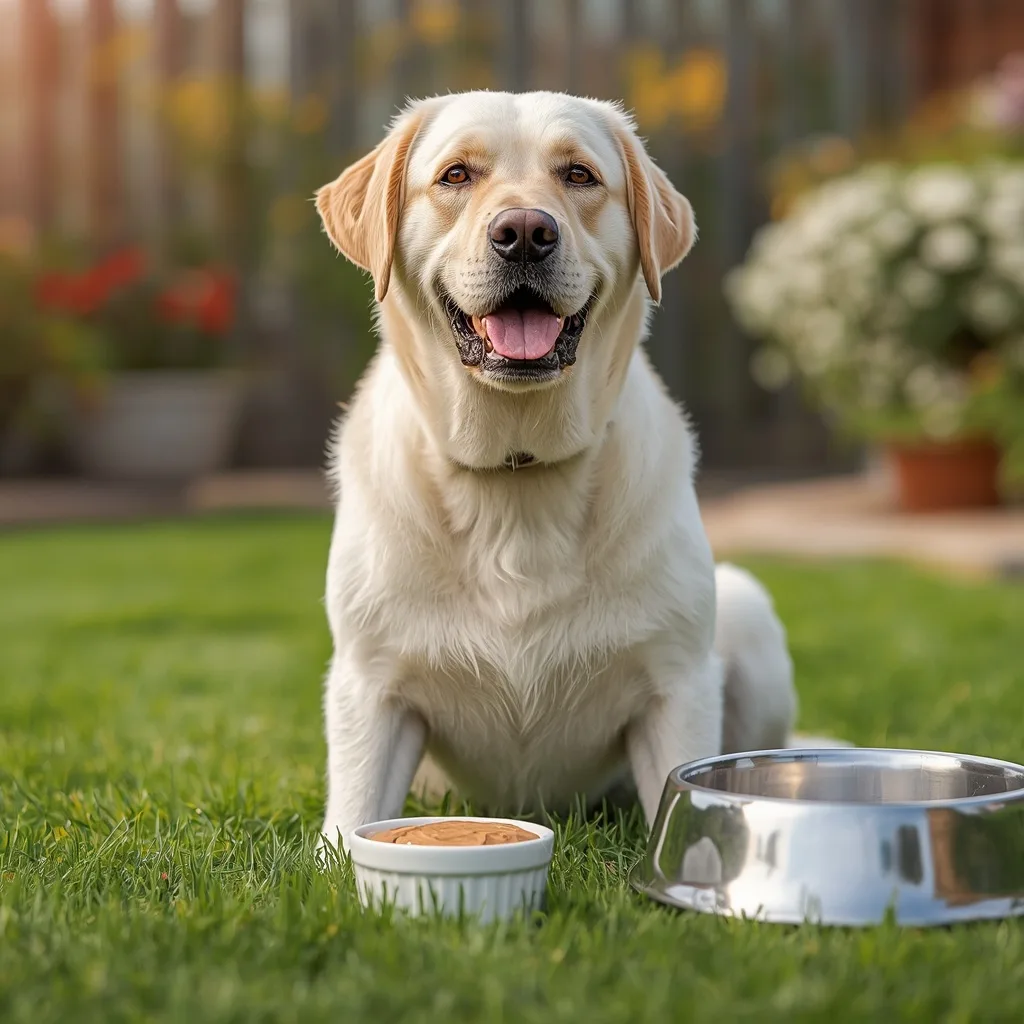
If you’ve ever given your dog a spoonful of peanut butter, you’re not alone. Peanut butter is one of the most popular treats for dogs in the United States because it’s tasty, easy to serve, and perfect for stuffing into interactive toys. But before making it a regular part of your dog’s diet, it’s important to know whether it’s truly safe.
Can dogs eat peanut butter? The short answer is yes—but only plain peanut butter that does not contain xylitol or excessive amounts of salt, sugar, or artificial additives. While peanut butter can provide healthy fats, protein, and vitamins, feeding the wrong type or too much of it can lead to obesity, digestive problems, and even life-threatening poisoning.
In this guide, you’ll learn the benefits, risks, proper serving sizes, and how to choose the safest peanut butter for your dog.
Can Dogs Eat Peanut Butter?
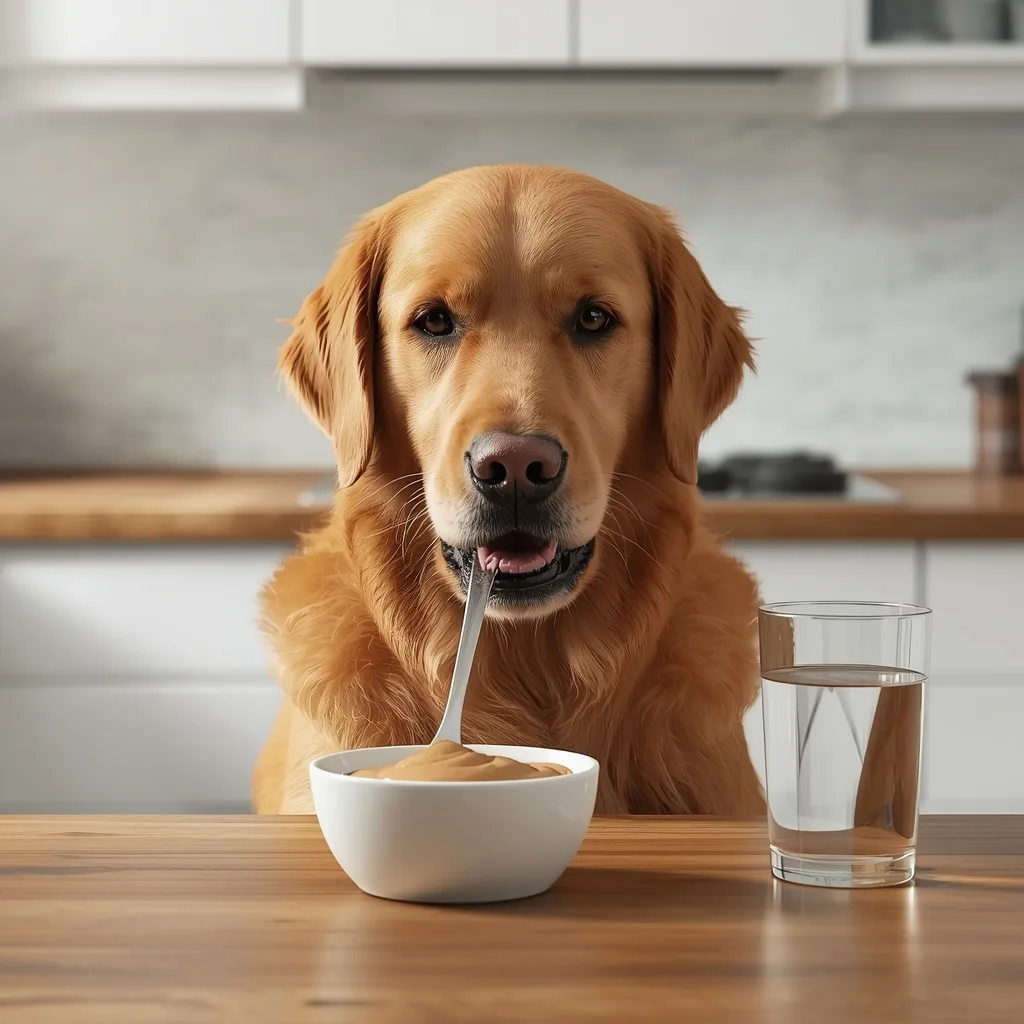
Yes, most dogs can safely eat peanut butter in moderation. It can be an enjoyable and rewarding treat when used responsibly.
Many pet owners use peanut butter to:
- Reward good behavior
- Hide medications
- Fill puzzle toys like KONGs
- Reduce boredom and anxiety
- Keep dogs occupied during grooming or nail trimming
However, not every peanut butter product is safe. Many commercial brands contain ingredients that dogs should avoid.
Safe Peanut Butter Should Be:
- Unsalted or low sodium
- No added sugar
- Free from xylitol
- Made with simple ingredients
- Given only as an occasional treat
Remember that peanut butter should never replace a balanced dog diet. Treats, including peanut butter, should make up no more than 10% of your dog’s daily calories.
Nutritional Benefits of Peanut Butter for Dogs
When served correctly, peanut butter offers several nutritional benefits.
1. Good Source of Protein
Peanut butter contains plant-based protein that supports:
- Muscle maintenance
- Tissue repair
- Healthy body function
Although dogs primarily benefit from animal protein, peanut butter can still contribute small amounts of additional protein.
2. Healthy Fats
Peanut butter contains healthy unsaturated fats that provide:
- Energy
- Healthy skin
- A shiny coat
However, these fats also make peanut butter high in calories, so portion control is essential.
3. Rich in Vitamin E
Vitamin E acts as an antioxidant and helps:
- Protect body cells
- Support the immune system
- Promote healthy skin
- Maintain coat quality
4. Contains Vitamin B
Peanut butter provides several B vitamins that support:
- Brain function
- Energy metabolism
- Nervous system health
5. Magnesium
Magnesium helps maintain:
- Healthy muscles
- Strong bones
- Proper nerve function
6. Niacin (Vitamin B3)
Niacin contributes to:
- Healthy skin
- Proper digestion
- Energy production
7. Potassium
Potassium supports:
- Heart function
- Muscle contractions
- Fluid balance
Risks of Feeding Peanut Butter to Dogs
Although peanut butter has benefits, it also comes with important risks.
1. High in Calories
One tablespoon of peanut butter contains around 90–100 calories, depending on the brand.
Too much peanut butter can quickly contribute to:
- Weight gain
- Obesity
- Reduced activity
- Joint stress
Overweight dogs are also at greater risk of diabetes and arthritis.
2. High Fat Content
Even healthy fats can become harmful when dogs consume excessive amounts.
Too much fat may cause:
- Upset stomach
- Vomiting
- Diarrhea
In some dogs—especially those prone to digestive issues—a high-fat diet may increase the risk of pancreatitis, a serious condition that requires veterinary care.
3. Added Salt
Some peanut butter brands contain large amounts of sodium.
Excess salt may lead to:
- Increased thirst
- Dehydration
- High blood pressure
- Kidney problems in sensitive dogs
Always compare labels and choose low-sodium or unsalted options whenever possible.
4. Added Sugar
Many flavored peanut butters contain unnecessary added sugars.
Regular consumption may contribute to:
- Weight gain
- Dental disease
- Blood sugar problems
Dogs do not need added sugar in their diet.
Xylitol Warning: Never Feed Peanut Butter Containing Xylitol
This is the most important safety rule every dog owner should know.
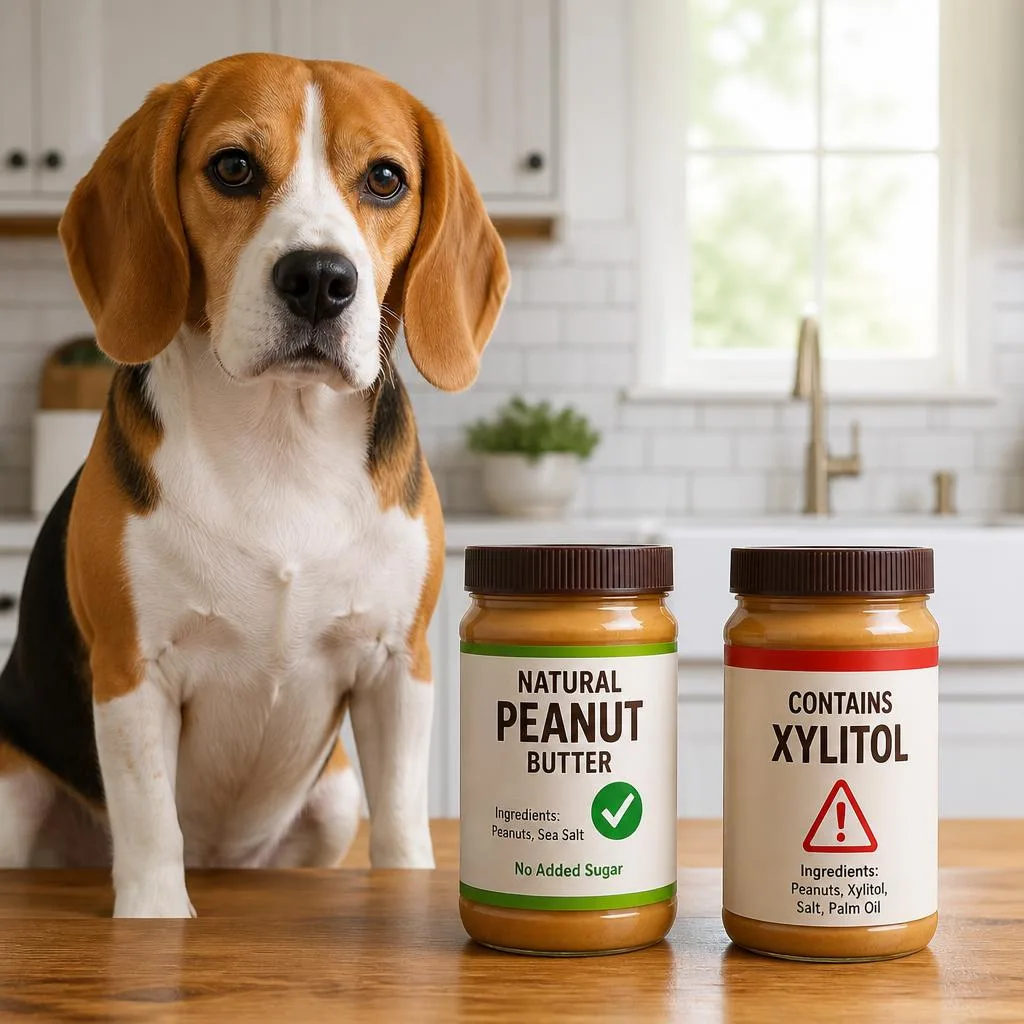
Xylitol is an artificial sweetener that is extremely toxic to dogs.
Even a very small amount can cause:
- Rapid insulin release
- Dangerous drop in blood sugar (hypoglycemia)
- Vomiting
- Weakness
- Loss of coordination
- Seizures
- Liver failure
- Death if left untreated
Symptoms can begin within 10–60 minutes after ingestion.
What Should You Do?
If you suspect your dog has eaten peanut butter containing xylitol:
- Contact your veterinarian immediately.
- Call the nearest emergency animal hospital without delay.
- Do not wait for symptoms to appear.
Prompt treatment can save your dog’s life.
Is Peanut Butter Safe for Puppies?
Yes, puppies can eat small amounts of plain peanut butter after they have started eating solid food, but only occasionally.
When introducing peanut butter:
- Offer a tiny amount first.
- Watch for digestive upset or allergic reactions.
- Avoid giving it every day.
- Choose only plain, xylitol-free peanut butter.
Because puppies have sensitive digestive systems, moderation is especially important.
Can Dogs Eat Peanut Butter?
How Much Peanut Butter Can Dogs Eat?
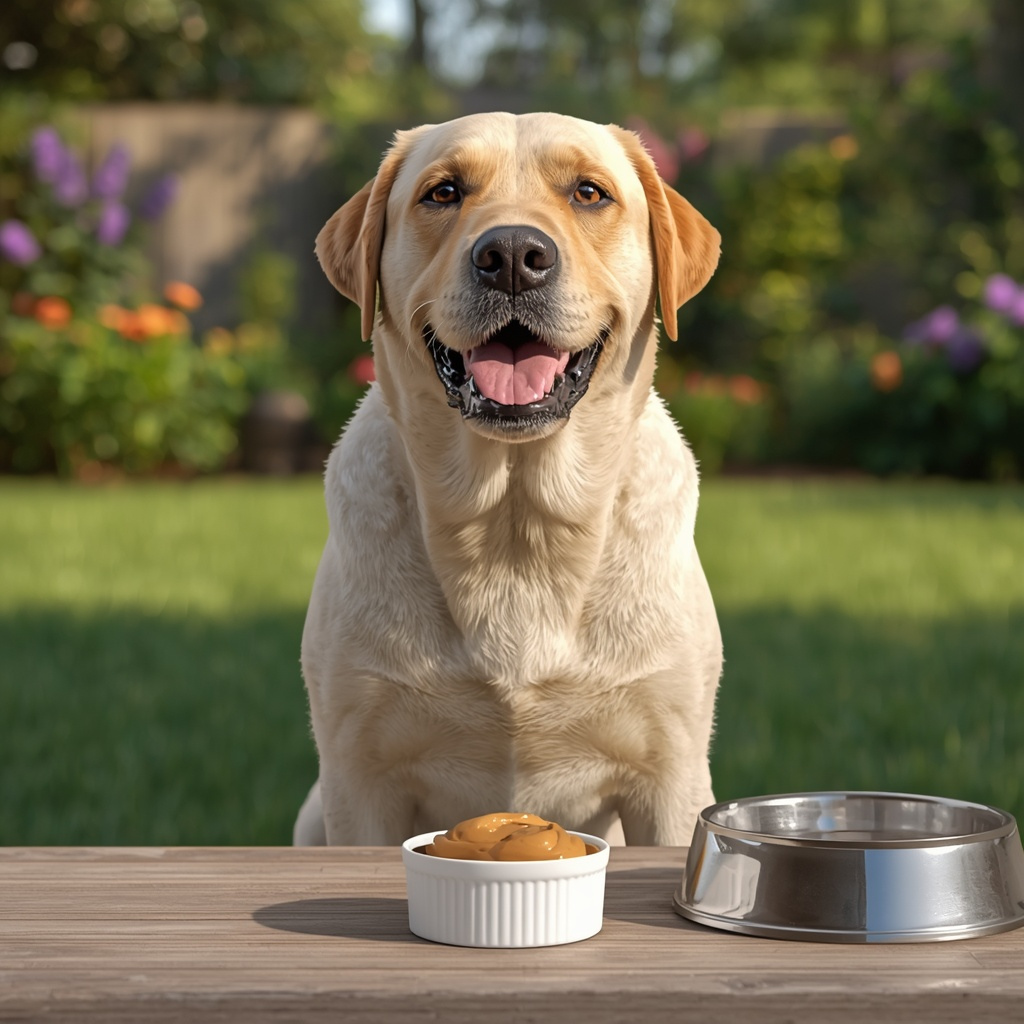
Peanut butter should always be an occasional treat, not a daily meal replacement. A dog’s age, size, weight, and activity level all affect how much is appropriate.
| Dog Size | Recommended Amount |
|---|---|
| Extra Small (under 10 lbs) | ½ teaspoon, 1–2 times per week |
| Small (10–20 lbs) | 1 teaspoon, 2–3 times per week |
| Medium (20–50 lbs) | 1–2 teaspoons, 2–3 times per week |
| Large (50–90 lbs) | Up to 1 tablespoon, 2–3 times per week |
| Giant (90+ lbs) | Up to 1½ tablespoons, occasionally |
Tip: Treats, including peanut butter, should make up no more than 10% of your dog’s daily calorie intake.
How to Choose the Best Peanut Butter for Dogs
Not every jar on the grocery store shelf is safe for dogs. Reading the ingredient label is the easiest way to protect your pet.
Look for Peanut Butter That Has:
- Peanuts as the main ingredient
- No xylitol
- No artificial sweeteners
- No chocolate
- No raisins
- Low or no added salt
- No unnecessary preservatives
- No excessive added sugar
Natural peanut butter with only peanuts (or peanuts and a small amount of salt) is generally the best choice.
Safe Ways to Feed Peanut Butter
Peanut butter is versatile and can make treats more exciting.
Here are some safe ideas:
1. Stuff a Puzzle Toy
Spread a small amount inside a puzzle toy to keep your dog mentally stimulated.
2. Hide Medication
Many pet owners use peanut butter to cover pills, making medicine easier to give.
3. Homemade Frozen Treats
Mix plain peanut butter with plain pumpkin puree or plain Greek yogurt and freeze in silicone molds.
4. Training Reward
A tiny lick of peanut butter can be a high-value reward during training sessions.
5. Lick Mat Enrichment
Spread a thin layer on a lick mat to help reduce boredom and encourage calm behavior.
When Should Dogs Avoid Peanut Butter?
Some dogs should not eat peanut butter unless a veterinarian recommends it.
Avoid feeding peanut butter if your dog has:
- A history of pancreatitis
- Obesity
- Diabetes
- Severe food allergies
- Kidney disease requiring a low-sodium diet
- Digestive disorders that require a low-fat diet
If your dog has a medical condition, ask your veterinarian before introducing new treats.
Can Dogs Be Allergic to Peanut Butter?
Although uncommon, peanut allergies can occur in dogs.
Possible Signs Include:
- Itchy skin
- Redness
- Ear infections
- Facial swelling
- Vomiting
- Diarrhea
- Excessive scratching
- Difficulty breathing (rare but serious)
Stop feeding peanut butter immediately if any of these symptoms appear and contact your veterinarian.
Homemade Dog-Friendly Peanut Butter Treat
If you’d rather make your own snack, here’s a simple recipe.
Ingredients
- 2 tablespoons natural peanut butter (xylitol-free)
- ½ cup plain pumpkin puree
- 1 cup oat flour
Instructions
- Mix all ingredients into a soft dough.
- Roll out and cut into small shapes.
- Bake at 350°F (175°C) for 15–20 minutes.
- Allow the treats to cool completely before serving.
Store leftovers in an airtight container for up to one week.
Frequently Asked Questions
Can dogs eat peanut butter every day?
No. Peanut butter is high in calories and fat, so it’s best offered only a few times per week in small amounts.
Natural peanut butter made with simple ingredients and without xylitol is generally the safest option.
What is the safest peanut butter for dogs?
Can puppies eat peanut butter?
Yes, once they are eating solid food. Start with a very small amount and monitor for any digestive upset or allergic reaction.
Is crunchy peanut butter safe?
Crunchy peanut butter is usually safe for healthy adult dogs, but smooth peanut butter may be easier for puppies, senior dogs, and small breeds to eat.
Can peanut butter cause pancreatitis?
Feeding large amounts of high-fat foods, including peanut butter, may increase the risk of pancreatitis in some dogs, especially those already prone to the condition.
Final Verdict
Yes, dogs can eat peanut butter when it is plain, fed in moderation, and completely free of xylitol. It can be a tasty reward, a useful training aid, or an easy way to give medication. However, because peanut butter is calorie-dense and high in fat, portion control is essential.
Before offering any new treat, always check the ingredient label carefully. A small amount of the right peanut butter can be enjoyable for most healthy dogs, while the wrong product could pose a serious health risk.
Previous Article Link Here.