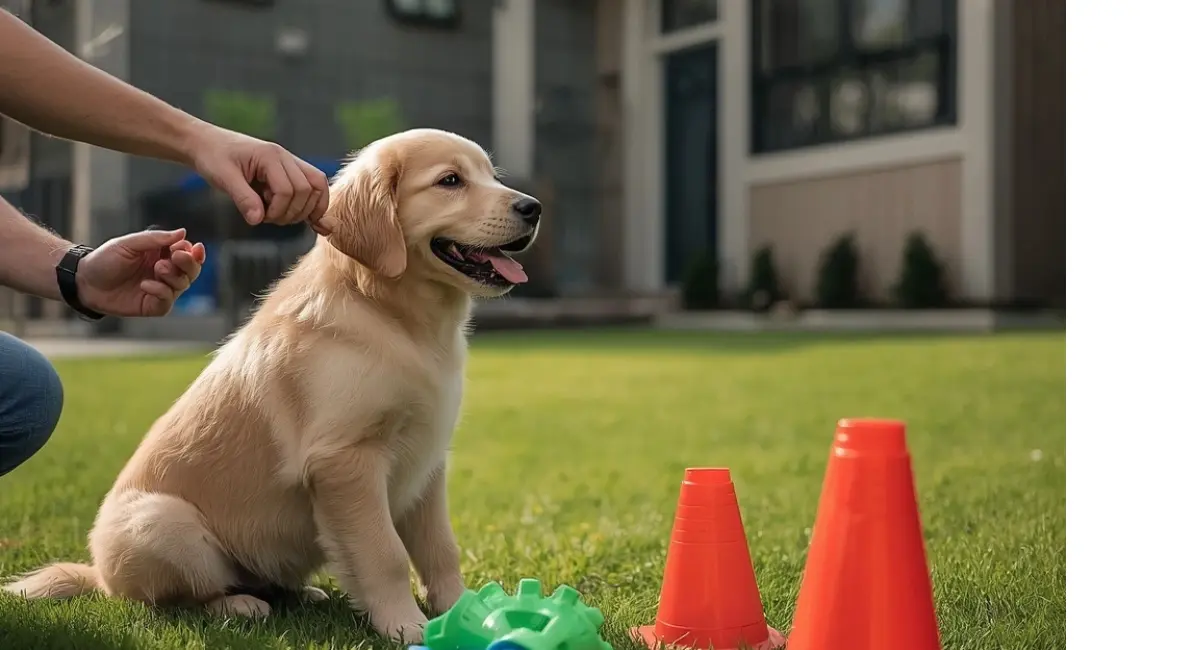
Bringing a new puppy home is an exciting experience. Puppies are full of energy, curiosity, and affection. However, without proper training, they can develop unwanted behaviors that become difficult to correct later. Learning puppy training basics early can help your furry friend grow into a happy, obedient, and well-mannered dog.
In this guide, we’ll cover the essential puppy training tips every pet owner should know.
Why Early Puppy Training Matters
The first few months of a puppy’s life are critical for learning and development. During this stage, puppies are highly receptive to new experiences and commands. Proper training helps:
- Build trust between you and your puppy
- Prevent destructive behaviors
- Improve safety and obedience
- Strengthen social skills
- Create a positive lifelong relationship
Starting training as early as 8 weeks old can make a significant difference in your puppy’s behavior.
1. Start with House Training
House training is often the first challenge new puppy owners face. Consistency is the key to success.
Tips for House Training:
- Take your puppy outside frequently, especially after meals, naps, and playtime.
- Use the same potty area each time.
- Reward your puppy immediately after successful outdoor bathroom trips.
- Establish a regular feeding schedule.
- Avoid punishment for accidents inside the house.
Most puppies learn house training within a few weeks when owners remain patient and consistent.
2. Teach Basic Commands
Basic obedience commands help keep your puppy safe and improve communication.
Essential Commands:
- Sit
- Stay
- Come
- Down
- Leave It
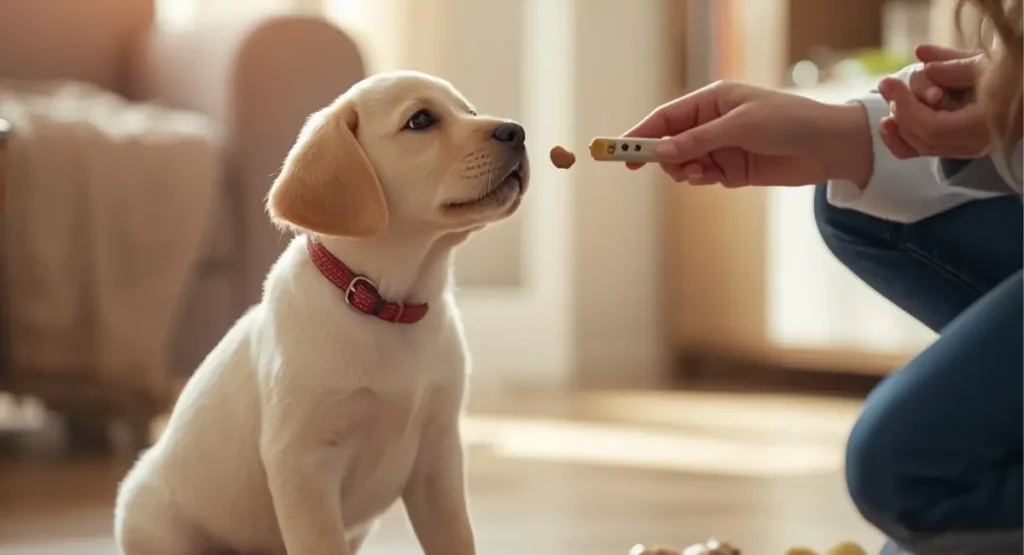
Keep training sessions short, around 5–10 minutes, and use positive reinforcement such as treats, praise, or toys.
3. Use Positive Reinforcement
Positive reinforcement is one of the most effective puppy training methods.
When your puppy performs a desired behavior:
- Offer a treat
- Give verbal praise
- Use affection or playtime as a reward
Rewarding good behavior encourages your puppy to repeat it. Avoid harsh punishments, as they can create fear and confusion.
4. Socialize Your Puppy
Socialization helps puppies become confident and comfortable around people, animals, and new environments.
Socialization Ideas:
- Meet friendly dogs
- Visit pet-friendly parks
- Introduce different sounds and sights
- Meet people of various ages
Proper socialization reduces the risk of fear, anxiety, and aggression later in life.
5. Prevent Biting and Chewing
Puppies naturally explore the world with their mouths. While chewing is normal, it should be redirected appropriately.
How to Reduce Puppy Biting:
- Provide safe chew toys
- Redirect biting behavior immediately
- Stop play if biting becomes too rough
- Reward gentle behavior
Consistency helps puppies learn acceptable behavior more quickly.
6. Crate Training Basics
Crate training provides a safe space for your puppy and can help with house training.
Benefits of Crate Training:
- Reduces accidents indoors
- Prevents destructive behavior
- Creates a secure resting area
- Helps with travel and vet visits
Make the crate comfortable with soft bedding and toys. Never use the crate as punishment.
7. Establish a Daily Routine
Dogs thrive on routine. A predictable schedule helps your puppy understand expectations.
A healthy routine should include:
- Feeding times
- Potty breaks
- Exercise
- Playtime
- Training sessions
- Sleep
Consistency reduces stress and encourages good habits.
8. Be Patient and Consistent
Every puppy learns at a different pace. Some commands may take days, while others take weeks to master.
Remember:
- Stay calm during training
- Use the same commands consistently
- Celebrate small successes
- Avoid unrealistic expectations
Patience and repetition are essential for long-term success.
Common Puppy Training Mistakes to Avoid
Many new owners accidentally slow their puppy’s progress.
Avoid these common mistakes:
- Inconsistent rules
- Long training sessions
- Punishing accidents
- Skipping socialization
- Expecting immediate results
Training should be a positive experience for both you and your puppy.
Final Thoughts
Learning puppy training basics is one of the best investments you can make in your dog’s future. Early training helps prevent behavioral problems, builds confidence, and creates a strong bond between you and your pet.
By focusing on consistency, positive reinforcement, socialization, and patience, you’ll set your puppy up for a lifetime of success. Start training today, and you’ll enjoy the rewards of a happy, obedient, and well-adjusted companion for years to come.