
Introduction
If you’ve ever prepared a fresh spinach salad and noticed your dog watching you with curious eyes, you may have wondered, can dogs eat spinach? The short answer is yes—but only in moderation.
Spinach is packed with vitamins, minerals, and antioxidants that support overall health. However, it also contains compounds that may not be suitable for dogs when consumed in large amounts. Knowing the right serving size and preparation method is essential for keeping your dog safe.
In this guide, you’ll learn everything U.S. dog owners need to know about feeding spinach, including its nutritional value, health benefits, risks, and the safest way to serve it.

Quick Answer
Yes, dogs can eat spinach in small amounts.
Plain, cooked spinach is generally the safest option because it is easier to digest. Avoid adding butter, garlic, onions, salt, or seasonings, as these ingredients can be harmful to dogs.
Spinach should be considered an occasional treat rather than a daily vegetable.
Table of Contents
- Can Dogs Eat Spinach?
- Nutritional Value of Spinach
- Health Benefits
- Risks of Feeding Spinach
- Safe Serving Size
- Best Ways to Serve Spinach
- Can Puppies Eat Spinach?
- Frequently Asked Questions
- Final Verdict
Can Dogs Eat Spinach?
Yes, healthy adult dogs can safely eat spinach in moderation.
Spinach contains many nutrients that support immune health, healthy skin, muscle function, and overall wellness. While it is often considered a “superfood” for humans, dogs don’t require spinach to maintain a balanced diet because quality commercial dog food already provides complete nutrition.
Instead, spinach should be viewed as a healthy, low-calorie snack that can occasionally replace higher-calorie treats.
When introducing spinach:
- Wash thoroughly.
- Serve plain.
- Cook lightly.
- Chop into small pieces.
- Feed only small portions.
- Introduce gradually.
Always monitor your dog after trying any new food.
Nutritional Value of Spinach
Spinach is naturally low in calories while being rich in essential nutrients.
| Nutrient | Benefits for Dogs |
|---|---|
| Vitamin A | Supports healthy vision and immune system |
| Vitamin C | Helps protect cells from oxidative stress |
| Vitamin K | Supports healthy blood clotting |
| Iron | Helps transport oxygen throughout the body |
| Calcium | Supports strong bones and teeth |
| Magnesium | Helps muscles and nerves function properly |
| Potassium | Supports heart and muscle health |
| Fiber | Aids healthy digestion |
| Folate | Supports healthy cell growth |
| Antioxidants | Help reduce damage caused by free radicals |
Spinach also contains lutein and beta-carotene, antioxidants that may help maintain healthy eyesight and reduce cellular damage associated with aging.

Health Benefits of Spinach for Dogs
1. Rich in Antioxidants
Spinach contains antioxidants that help protect cells from oxidative stress.
These antioxidants may support healthy aging and reduce damage caused by free radicals.
2. Supports a Healthy Immune System
Vitamin A and Vitamin C contribute to a stronger immune response, helping dogs maintain overall wellness.
3. Promotes Healthy Digestion
Spinach contains dietary fiber, which can help maintain regular bowel movements when fed appropriately.
Too much fiber, however, may upset your dog’s stomach.
4. Supports Eye Health
Spinach contains lutein and beta-carotene, nutrients associated with maintaining healthy vision.
These compounds may help protect eye tissues as dogs age.
5. Helps Maintain Healthy Skin and Coat
The vitamins and minerals in spinach contribute to healthy skin while supporting a shiny, soft coat.
6. Low-Calorie Treat
Spinach is naturally low in fat and calories.
For overweight dogs, replacing high-calorie treats with small amounts of spinach can be a healthier option.
7. Supports Healthy Bones
Vitamin K, calcium, and magnesium work together to support strong bones and proper muscle function.
Risks of Feeding Spinach to Dogs
Although spinach has many benefits, there are also important risks every dog owner should understand.
Oxalic Acid
Spinach naturally contains oxalic acid, which can interfere with calcium absorption.
Large amounts consumed over time may contribute to kidney problems in susceptible dogs.
This is the primary reason veterinarians recommend feeding spinach only occasionally.
Kidney Disease
Dogs already suffering from kidney disease should generally avoid spinach because oxalates may place additional stress on the kidneys.
If your dog has any kidney condition, consult your veterinarian before offering spinach.
Digestive Upset
Eating too much spinach may cause:
- Vomiting
- Loose stool
- Gas
- Bloating
- Stomach discomfort
Introduce spinach slowly and monitor your dog for any unusual symptoms.
Choking Hazard
Large spinach leaves may be difficult for small dogs to chew.
Always chop spinach into bite-sized pieces before serving.
Unsafe Ingredients
Never serve spinach prepared with:
- Garlic
- Onion
- Butter
- Heavy cream
- Cheese sauces
- Salt
- Pepper
- Spicy seasonings
Many of these ingredients can be harmful—or even toxic—to dogs.
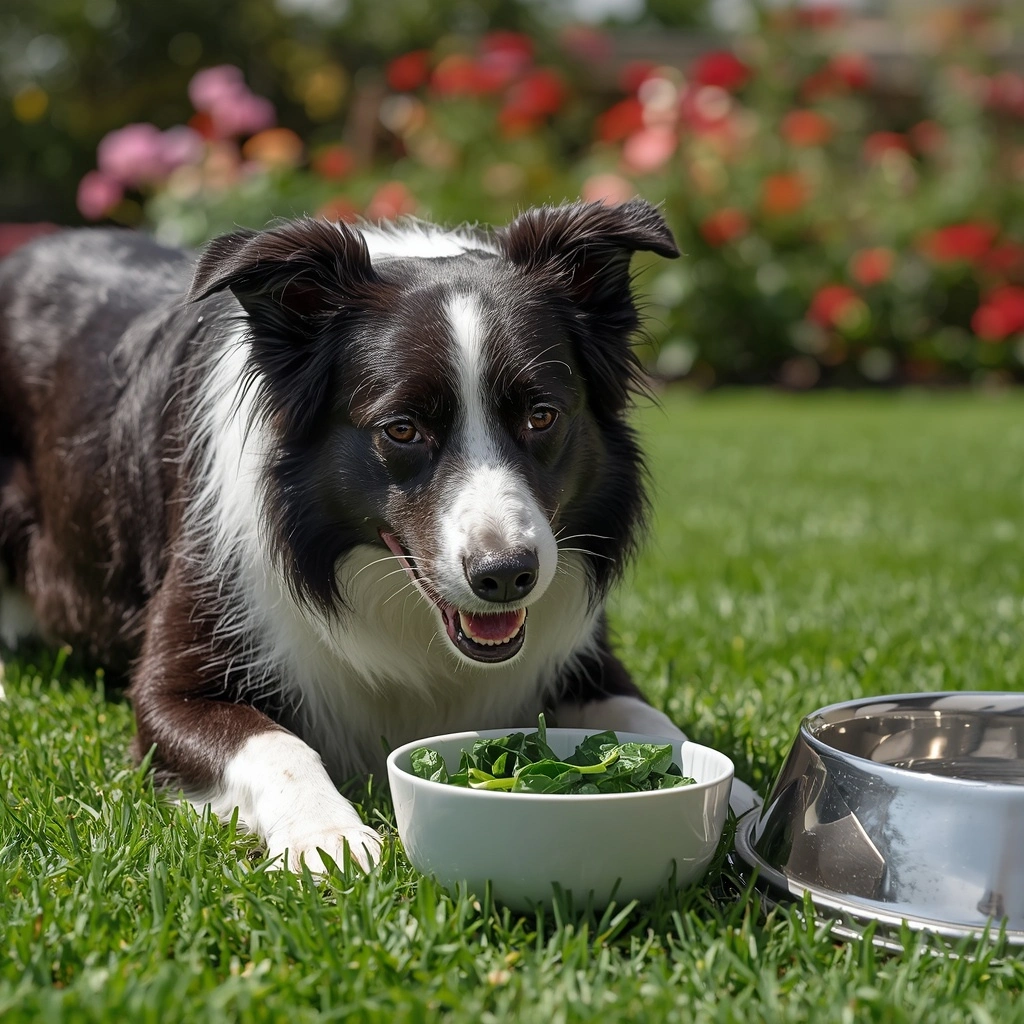
How Much Spinach Can Dogs Eat?
While spinach is safe for most healthy dogs, it should only be offered as an occasional treat. A good rule is that treats—including vegetables like spinach—should make up no more than 10% of your dog’s daily calories.
Use this general serving guide:
| Dog Size | Recommended Serving | Frequency |
|---|---|---|
| Extra Small (under 10 lbs) | 1–2 small chopped leaves | Once a week |
| Small (10–20 lbs) | 1 teaspoon cooked spinach | Once a week |
| Medium (20–50 lbs) | 1–2 tablespoons cooked spinach | 1–2 times per week |
| Large (50–90 lbs) | 2–3 tablespoons cooked spinach | 1–2 times per week |
| Giant (90+ lbs) | Up to ¼ cup cooked spinach | Occasionally |
Every dog is different. Introduce spinach gradually and watch for any digestive upset before feeding it again.
Best Ways to Serve Spinach to Dogs
The safest way to feed spinach is plain, cooked, and chopped into small pieces.
Here are the best options:
1. Steamed Spinach
Lightly steaming spinach softens the leaves, making them easier to digest while preserving most nutrients.
2. Boiled Spinach
Boiling is another safe option. Drain the water and let the spinach cool completely before serving.
3. Mixed with Dog Food
Mix a small amount of chopped cooked spinach into your dog’s regular food for extra variety.
4. Homemade Dog Treats
You can combine spinach with dog-safe ingredients such as:
- Plain cooked chicken
- Pumpkin puree
- Brown rice
- Plain scrambled eggs (without butter or seasoning)
Avoid These Spinach Preparations
Never feed your dog spinach that contains:
- Garlic
- Onion
- Butter
- Cheese sauce
- Cream
- Salt
- Black pepper
- Chili powder
- Cooking oils
- Salad dressing
- Bacon
- Artificial seasonings
Many of these ingredients are unhealthy, and some—such as garlic and onions—are toxic to dogs.
Can Puppies Eat Spinach?
Yes, puppies can eat spinach, but only in very small amounts.
Since puppies need a balanced diet specifically formulated for growth, spinach should not replace their regular puppy food.
Offer only a tiny amount of plain cooked spinach after your puppy has adjusted well to its normal diet. If your puppy experiences vomiting, diarrhea, or refuses food afterward, discontinue feeding spinach and contact your veterinarian if symptoms continue.
Which Dogs Should Avoid Spinach?
Some dogs should not eat spinach unless a veterinarian specifically recommends it.
Avoid feeding spinach if your dog has:
- Kidney disease
- A history of kidney stones
- Bladder stones
- Severe digestive disorders
- Calcium metabolism problems
If your dog has any chronic medical condition, ask your veterinarian before introducing new foods.
Signs Your Dog Ate Too Much Spinach
Eating a large amount of spinach may cause digestive discomfort.
Watch for symptoms such as:
- Vomiting
- Diarrhea
- Stomach pain
- Excessive gas
- Loss of appetite
- Lethargy
- Difficulty urinating (rare but serious)
If your dog shows severe symptoms or appears unusually ill, contact your veterinarian immediately.
Frequently Asked Questions
Can dogs eat raw spinach?
Yes, but cooked spinach is generally easier to digest. Raw spinach is tougher on the digestive system and contains higher levels of oxalates.
Can dogs eat cooked spinach?
Yes. Plain cooked spinach without butter, garlic, onions, or seasoning is the safest option.
Is spinach toxic to dogs?
No. Spinach is not toxic to dogs, but eating large amounts regularly may contribute to health problems because of its oxalic acid content.
Can dogs eat spinach every day?
No. Spinach should only be an occasional treat rather than a daily part of your dog’s diet.
Can dogs eat frozen spinach?
Yes, as long as it is plain and fully cooked after thawing. Avoid frozen spinach products with sauces or seasonings.
Can dogs eat canned spinach?
It’s best to avoid canned spinach because it often contains added sodium and preservatives.
Can diabetic dogs eat spinach?
In many cases, yes, because spinach is low in calories and carbohydrates. However, consult your veterinarian before making dietary changes for a diabetic dog.
Can senior dogs eat spinach?
Healthy senior dogs can enjoy small portions of cooked spinach occasionally, provided they do not have kidney-related health issues.
Can dogs eat spinach stems?
It’s better to remove thick stems because they are more difficult to chew and digest.
What vegetables are safer than spinach?
Some dog-friendly vegetables include:
- Carrots
- Green beans
- Pumpkin
- Cucumbers
- Sweet potatoes
- Zucchini
These vegetables generally contain fewer oxalates than spinach.
Final Verdict
So, can dogs eat spinach?
Yes—dogs can safely eat spinach in moderation. This leafy green provides vitamins, minerals, fiber, and antioxidants that may support your dog’s overall health. However, because spinach naturally contains oxalic acid, it should only be served occasionally and in small portions.
For the safest experience, always serve plain, cooked, chopped spinach without butter, garlic, onions, salt, or other seasonings. Dogs with kidney disease or a history of kidney stones should avoid spinach unless their veterinarian advises otherwise.
When fed responsibly, spinach can be a healthy, low-calorie treat that adds variety to your dog’s diet without replacing a complete and balanced dog food.
Previous Article Link Here.