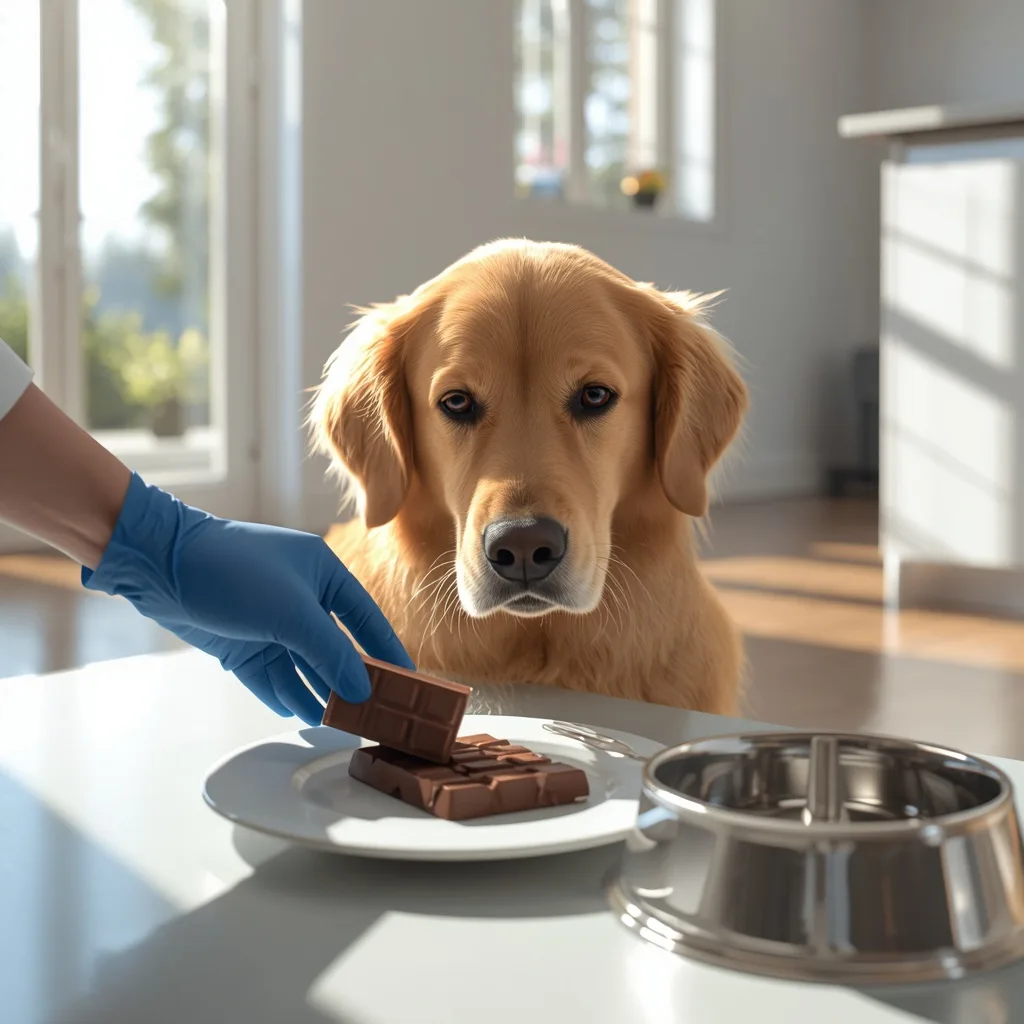
Chocolate is not safe for dogs and should never be fed as a treat. It contains theobromine and caffeine, which can be toxic even in small amounts, especially for puppies and small breeds. The severity of poisoning depends on the type of chocolate, the amount consumed, and your dog’s size. Common signs include vomiting, diarrhea, excessive panting, restlessness, increased heart rate, muscle tremors, and seizures. If your dog eats chocolate, contact your veterinarian immediately for guidance. Quick action can prevent serious complications. The safest way to protect your pet is to keep all chocolate products securely stored and offer only dog-safe treats instead.

Can Dogs Eat Chocolate?
No, dogs should never eat chocolate. Chocolate is toxic to dogs because it contains theobromine and caffeine, two stimulants that dogs cannot process efficiently. Even a small amount of chocolate can cause stomach upset, while larger amounts may lead to seizures, heart problems, or even death if not treated promptly.
Chocolate poisoning is one of the most common pet emergencies in the United States, especially during holidays like Halloween, Christmas, Easter, and Valentine’s Day when chocolate treats are more accessible.
If your dog has eaten chocolate, acting quickly can make a significant difference.
Why Is Chocolate Dangerous for Dogs?
Chocolate contains naturally occurring chemicals called methylxanthines, primarily:
- Theobromine
- Caffeine
Humans break down these compounds quickly, but dogs metabolize them much more slowly. As a result, the chemicals build up in the body and overstimulate the nervous system and heart.
This can cause:
- Increased heart rate
- High blood pressure
- Muscle tremors
- Hyperactivity
- Vomiting
- Seizures
- Heart rhythm abnormalities
In severe cases, chocolate poisoning can become life-threatening.

What Makes Chocolate Toxic?
The danger depends on three important factors:
1. Type of Chocolate
Different chocolates contain different levels of theobromine.
| Chocolate Type | Toxicity Level |
|---|---|
| Cocoa Powder | Extremely High |
| Baking Chocolate | Very High |
| Dark Chocolate | High |
| Semi-Sweet Chocolate | Moderate |
| Milk Chocolate | Lower but still dangerous |
| White Chocolate | Very Low theobromine but high fat and sugar |
Even though white chocolate contains little theobromine, it is still unhealthy because its high fat content can trigger pancreatitis.
2. Amount Eaten
A tiny lick of chocolate frosting is far less dangerous than eating an entire chocolate bar.
The more chocolate your dog consumes, the greater the risk of poisoning.
3. Dog’s Weight
Small dogs are affected much more severely than large dogs.
For example:
- A Chihuahua eating one ounce of dark chocolate may experience severe poisoning.
- A Great Dane eating the same amount may only have mild symptoms.
Never assume your dog is safe based only on its size.
Can Puppies Eat Chocolate?
Absolutely not.
Puppies are even more vulnerable because:
- They weigh less.
- Their bodies are still developing.
- Small amounts can become dangerous quickly.
Chocolate should never be intentionally offered to puppies.
Symptoms of Chocolate Poisoning in Dogs
Symptoms usually begin within 6 to 12 hours, although some dogs may show signs sooner.
Common symptoms include:
- Vomiting
- Diarrhea
- Restlessness
- Hyperactivity
- Excessive thirst
- Panting
- Rapid heartbeat
- Increased urination
- Drooling
Moderate poisoning may include:
- Muscle tremors
- Loss of coordination
- Elevated body temperature
- Weakness
Severe poisoning may cause:
- Seizures
- Collapse
- Heart arrhythmias
- Coma
- Death
Immediate veterinary care is critical if any severe symptoms develop.

Which Dogs Are at Higher Risk?
Some dogs face greater risks after eating chocolate:
- Toy breeds
- Puppies
- Senior dogs
- Dogs with heart disease
- Dogs with seizures
- Dogs with kidney disease
These pets may become seriously ill after consuming relatively small amounts.
How Much Chocolate Is Too Much?
There is no universally safe amount because toxicity depends on:
- Chocolate type
- Dog’s weight
- Overall health
- Amount consumed
As a rule:
- Dark chocolate is much more dangerous than milk chocolate.
- Baking chocolate and cocoa powder are the most toxic.
- Larger amounts increase the likelihood of serious poisoning.
If you know how much chocolate your dog ate, contact your veterinarian immediately.
What Should You Do If Your Dog Eats Chocolate?
Stay calm and act quickly.
Step 1: Remove Remaining Chocolate
Prevent your dog from eating any more.
Step 2: Check the Package
Look for:
- Chocolate type
- Weight of the product
- Cocoa percentage (if available)
This information helps your veterinarian assess the risk.
Step 3: Call Your Veterinarian
Contact your veterinarian immediately.
Be ready to provide:
- Dog’s breed
- Weight
- Age
- Amount eaten
- Type of chocolate
- Time it happened
Step 4: Monitor Symptoms
Watch closely for:
- Vomiting
- Tremors
- Restlessness
- Rapid breathing
- Weakness
Even if symptoms seem mild, continue monitoring because they may worsen over several hours.
Step 5: Never Treat at Home Without Veterinary Advice
Do not:
- Force vomiting without professional guidance.
- Give milk.
- Give cooking oil.
- Use activated charcoal unless instructed by a veterinarian.
- Wait until symptoms become severe.
Prompt veterinary advice is always the safest approach.
How Veterinarians Diagnose Chocolate Poisoning
If you take your dog to the veterinarian after it eats chocolate, the diagnosis is usually based on:
- The type of chocolate eaten
- The estimated amount consumed
- Your dog’s weight
- The time since ingestion
- Clinical symptoms
The veterinarian may also perform:
- Physical examination
- Heart rate monitoring
- Blood pressure check
- Blood tests
- Urine tests
- Electrocardiogram (ECG) in severe cases
These tests help determine the severity of poisoning and guide the best treatment plan.
How Is Chocolate Poisoning Treated?
Treatment depends on how much chocolate your dog ate and how quickly you seek veterinary care.
1. Inducing Vomiting
If the chocolate was eaten recently, your veterinarian may safely induce vomiting to remove it before it is absorbed.
2. Activated Charcoal
Activated charcoal may be given to reduce the absorption of theobromine and caffeine in the digestive tract.
3. Intravenous (IV) Fluids
IV fluids help:
- Prevent dehydration
- Support kidney function
- Speed the elimination of toxins
4. Medications
Depending on your dog’s condition, the veterinarian may prescribe medications to:
- Control vomiting
- Reduce tremors
- Manage seizures
- Stabilize abnormal heart rhythms
5. Hospitalization
Dogs with severe chocolate poisoning may require 24–72 hours of monitoring and supportive care until the toxins leave their system.
Recovery After Chocolate Poisoning
Many dogs recover fully when treatment begins early.
Recovery depends on:
- The type of chocolate eaten
- The amount consumed
- Your dog’s size
- How quickly treatment begins
Mild cases may recover within a day, while severe cases can take several days.
Follow all veterinary instructions carefully after your dog returns home.
How to Prevent Chocolate Poisoning
Prevention is always easier than treatment.
Keep chocolate products:
- In closed cabinets
- On high shelves
- Away from kitchen counters
- Out of children’s reach
- Properly wrapped after holidays
Teach family members and guests never to share chocolate with dogs.
Safe Treat Alternatives for Dogs
Instead of chocolate, offer healthy dog-safe treats such as:
- Apple slices (without seeds)
- Blueberries
- Strawberries
- Bananas
- Watermelon (seedless)
- Pumpkin
- Carrots
- Plain cooked sweet potato
- Commercial dog treats approved for your dog’s age
Always introduce new foods in moderation.
Frequently Asked Questions (FAQs)
Can one piece of chocolate hurt a dog?
It depends on the type of chocolate, your dog’s weight, and how much was eaten. Even a small piece of dark chocolate can be dangerous for a small dog.
Is white chocolate safe?
White chocolate contains very little theobromine but is high in fat and sugar. It is not recommended because it can upset your dog’s stomach and may contribute to pancreatitis.
How long after eating chocolate will symptoms appear?
Most dogs develop symptoms within 6–12 hours, although some may show signs sooner.
Can dogs recover from chocolate poisoning?
Yes. Most dogs recover completely when they receive prompt veterinary treatment.
Should I make my dog vomit at home?
Do not induce vomiting unless your veterinarian specifically instructs you to do so. Home remedies can sometimes make the situation worse.
Key Takeaways
- Chocolate is toxic to all dogs.
- Theobromine and caffeine are the main toxic ingredients.
- Dark chocolate, baking chocolate, and cocoa powder are the most dangerous.
- Puppies and small breeds are at greater risk.
- Symptoms include vomiting, diarrhea, rapid heartbeat, tremors, and seizures.
- Contact your veterinarian immediately if your dog eats chocolate.
- Never intentionally feed chocolate to your dog.
Conclusion
Chocolate is one of the most dangerous human foods for dogs and should never be offered as a treat. Even small amounts of dark or baking chocolate can cause serious health problems, especially in puppies and small breeds. Knowing the signs of chocolate poisoning and acting quickly can save your dog’s life. Keep all chocolate products stored securely, educate family members about the risks, and choose dog-safe treats instead. When in doubt, always contact your veterinarian for professional advice.
Previous Article Link Here.