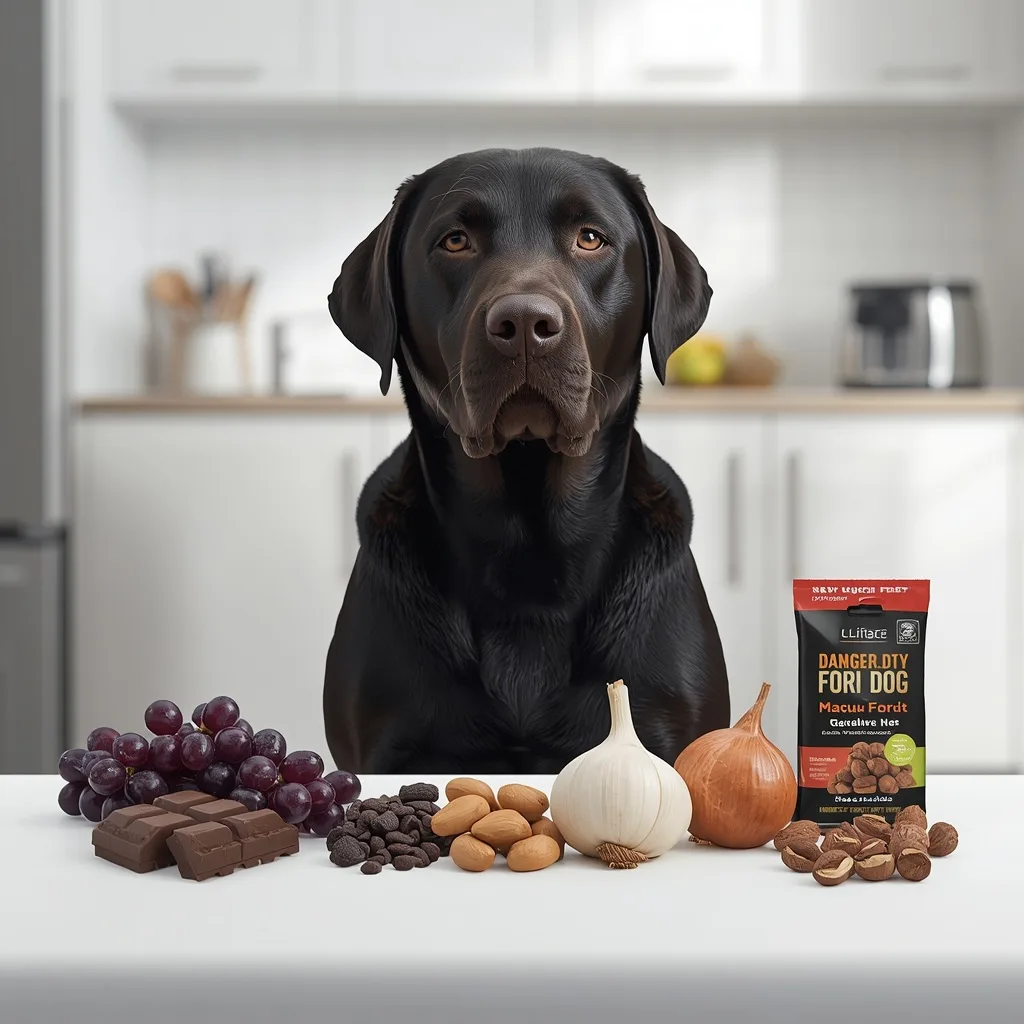
Dogs are curious eaters, and they often want to taste whatever their owners are eating. While some human foods can be safe for dogs in small amounts, others can cause serious illness or even become life-threatening.
Knowing which foods dogs can’t eat is an important part of responsible pet ownership. Common foods such as chocolate, grapes, onions, garlic, alcohol, and products containing xylitol can be dangerous for dogs. Some foods may cause digestive problems, while others can damage the kidneys, liver, red blood cells, or nervous system.
Here are the most important foods to keep away from your dog.
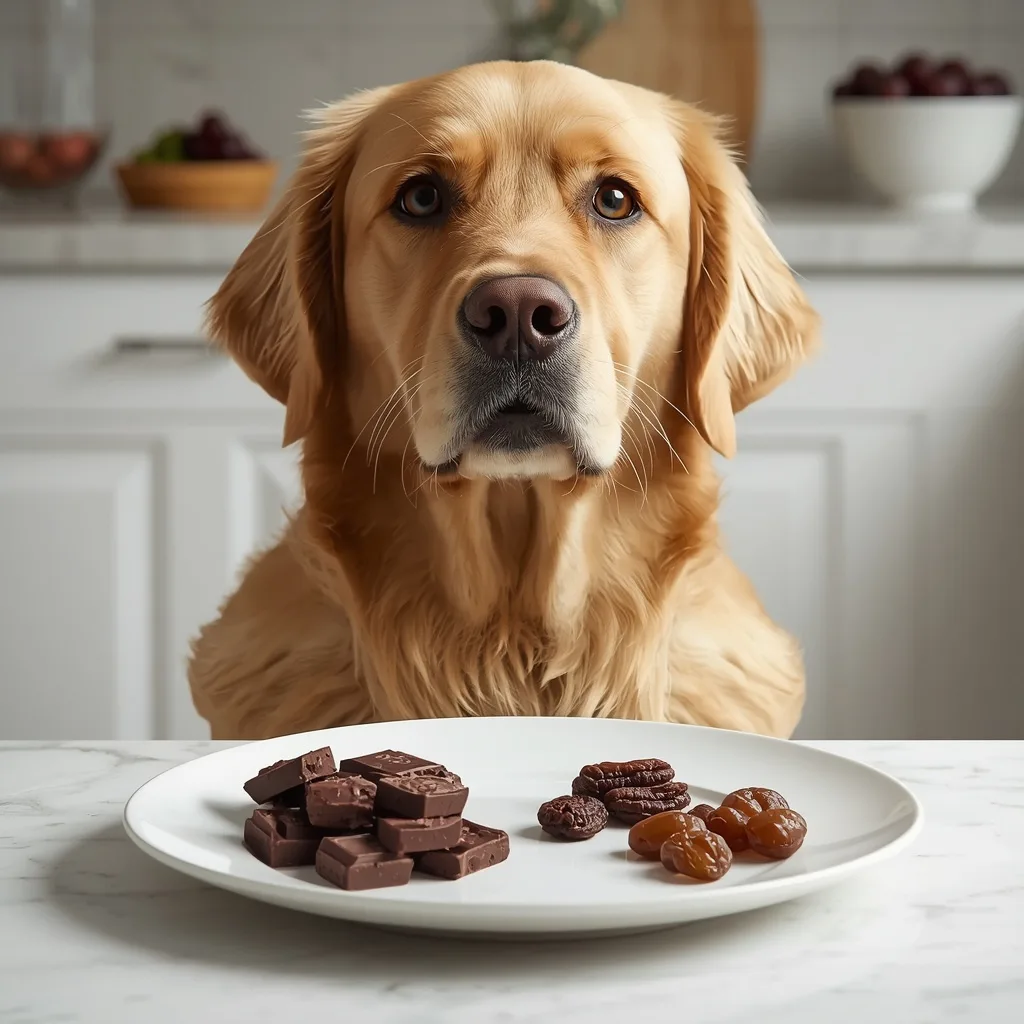
1. Chocolate
Chocolate is one of the most well-known foods dogs should never eat.
Chocolate contains methylxanthines, including theobromine and caffeine, which dogs process differently from humans. Dark chocolate, baking chocolate, and cocoa powder generally contain higher concentrations and can pose a greater risk.
Depending on the amount and type consumed, chocolate poisoning can cause:
- Vomiting
- Diarrhea
- Restlessness
- Excessive thirst or urination
- Rapid or abnormal heartbeat
- Tremors
- Seizures
If your dog eats chocolate, keep the packaging so your veterinarian can determine the type and approximate amount consumed.
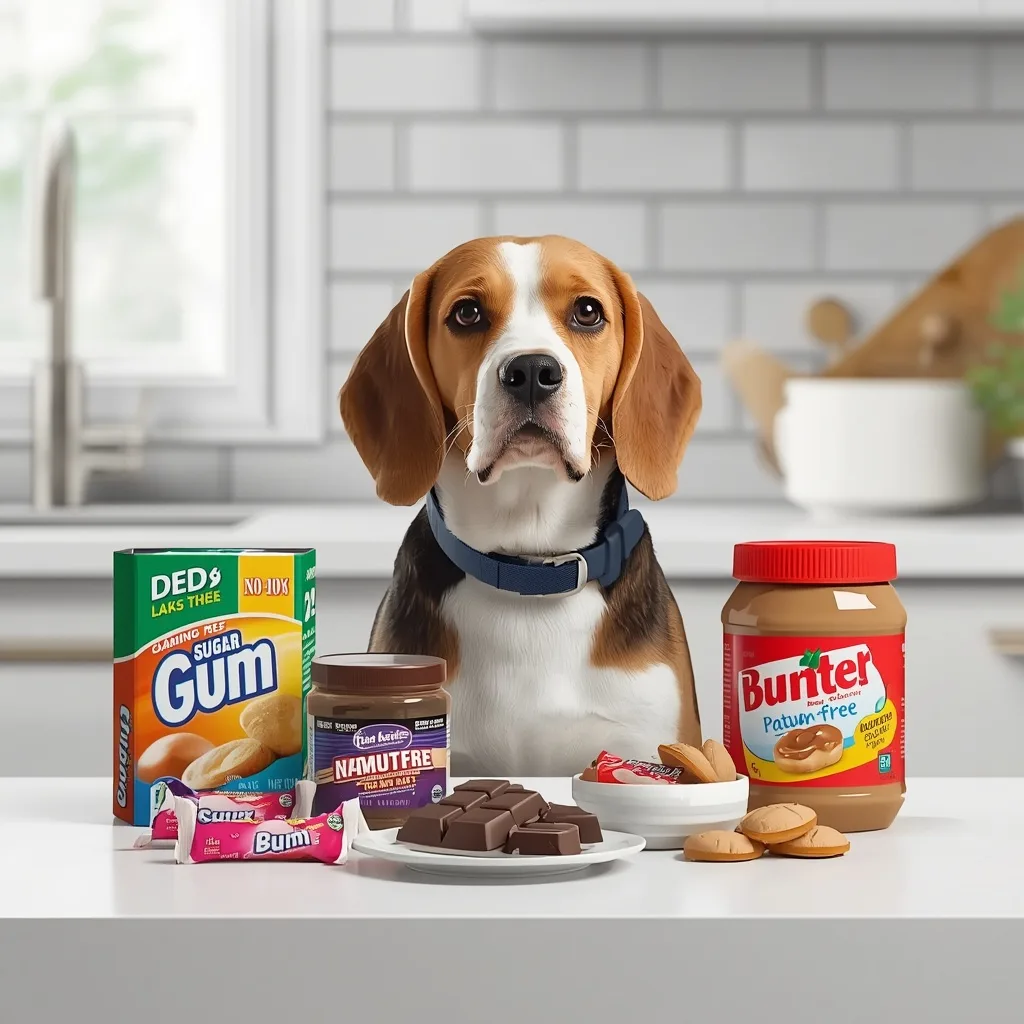
2. Grapes and Raisins
Grapes and raisins should be avoided completely.
They can cause serious kidney injury in dogs, and the exact toxic response can be unpredictable. Even if a dog appears normal after eating grapes or raisins, problems can develop later.
Possible signs include:
- Vomiting
- Loss of appetite
- Lethargy
- Increased or decreased urination
- Abdominal discomfort
Because the risk can be serious, contact your veterinarian promptly if your dog eats grapes or raisins.
3. Onions, Garlic, Chives and Leeks
Onions, garlic, chives, and related plants belong to the Allium family. They can irritate the digestive system and damage red blood cells, potentially leading to anemia.
These ingredients can be especially easy for dogs to consume because they are found in many human foods, including:
- Pizza
- Pasta sauces
- Soups
- Gravies
- Seasoned meats
- Baby food
- Prepared meals
Avoid giving your dog foods that contain onion or garlic as ingredients.
4. Xylitol
Xylitol is a sugar substitute that can be extremely dangerous to dogs.
It may be found in:
- Sugar-free chewing gum
- Sugar-free candy
- Some peanut and nut butters
- Sugar-free desserts
- Baked goods
- Some dietary supplements
- Certain medicines
- Toothpaste and oral-care products
In dogs, xylitol can trigger a rapid release of insulin and cause dangerously low blood sugar. Signs can include vomiting, weakness, difficulty walking, collapse, and seizures. Liver failure and bleeding problems can also occur.
The FDA advises contacting a veterinarian or emergency animal clinic immediately if you believe your dog has eaten a product containing xylitol.
Always check the ingredient label before giving your dog peanut butter or other human treats.
5. Alcohol
Dogs should never be given alcoholic beverages or foods containing significant amounts of alcohol.
Alcohol can be rapidly absorbed and may cause:
- Vomiting
- Diarrhea
- Poor coordination
- Depression
- Breathing problems
- Tremors
- Changes in blood chemistry
- Coma
Alcohol poisoning can become a veterinary emergency, so accidental ingestion should be taken seriously.
6. Raw Yeast Dough
Raw bread dough can be dangerous for dogs.
When swallowed, yeast dough can continue to rise inside the stomach. This can cause painful bloating and, in severe cases, stomach expansion or twisting.
The fermentation process can also produce alcohol, creating an additional toxicity concern.
Keep raw dough away from dogs, especially when baking at home.
7. Macadamia Nuts
Macadamia nuts can make dogs sick even when consumed in relatively small quantities.
Possible symptoms include:
- Weakness
- Vomiting
- Tremors
- Depression
- Difficulty walking
- Increased body temperature
Signs commonly develop within several hours after ingestion. Macadamia nuts should therefore be kept away from dogs.
8. Foods With Too Much Salt
Dogs need some sodium in their diet, but excessive salt can be harmful.
Large amounts of salty foods may cause increased thirst and urination and, in serious cases, neurological symptoms such as tremors or seizures.
Avoid sharing foods such as:
- Salty chips
- Pretzels
- Highly salted meats
- Salted snacks
- Large amounts of table salt
A balanced commercial dog food already provides the nutrients dogs need, so salty human snacks are unnecessary.
9. Raw Meat
Raw meat can carry bacteria such as Salmonella and E. coli. These bacteria can potentially affect both pets and people in the household.
Raw meat also presents food-safety concerns during preparation and handling.
If you want to give your dog meat as a treat, properly cooked, plain meat without bones or heavy seasoning is generally a safer option.
10. Raw Eggs
Raw eggs can contain harmful bacteria and may create additional nutritional concerns when fed improperly.
Instead of offering raw eggs, talk with your veterinarian about whether cooked egg can be incorporated into your dog’s diet and what portion would be appropriate.
11. Cooked Bones
Bones may look like a natural treat for dogs, but they can cause serious problems.
Cooked bones can splinter and potentially cause injuries or blockages in the gastrointestinal tract. Some cases may require veterinary treatment or surgery.
For safety, avoid giving your dog cooked bones from chicken, turkey, steak, or other meats.
12. High-Fat Foods
Very fatty foods can cause digestive upset and may contribute to pancreatitis in susceptible dogs.
Examples include:
- Fatty meat scraps
- Bacon
- Greasy leftovers
- Fried foods
- Heavy sauces
- Large amounts of butter
Instead of sharing fatty table scraps, choose dog-safe treats that fit into your dog’s overall diet.
13. Coffee and Caffeine
Coffee, energy drinks, tea containing caffeine, and other caffeinated products should be kept away from dogs.
Caffeine and related methylxanthines can affect a dog’s nervous and cardiovascular systems. Possible signs include restlessness, vomiting, excessive thirst, abnormal heart rhythm, tremors, and seizures.
Never intentionally give a dog coffee or caffeinated drinks.
14. Certain Nuts
Not every nut is automatically poisonous to dogs, but many nuts are poor choices because they are high in fat and can cause digestive problems.
Macadamia nuts are specifically associated with toxicity in dogs. Other fatty nuts can contribute to vomiting, diarrhea, and potentially pancreatitis when consumed in excessive amounts.
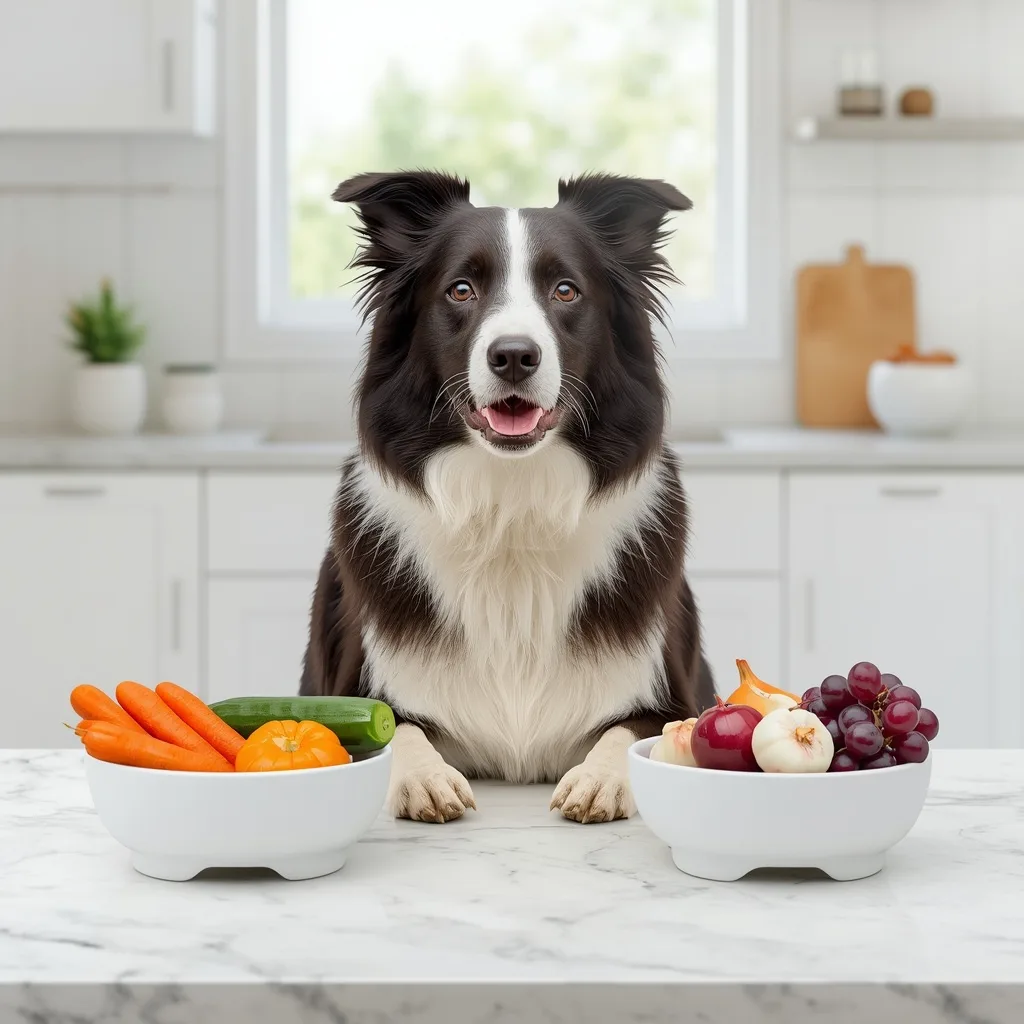
15. Sugar-Free Candy and Desserts
Sugar-free products deserve special attention because some contain xylitol.
Sugar-free candy, gum, baked goods, desserts, and some nut butters may contain this ingredient. Since xylitol poisoning can develop quickly, check labels carefully before allowing your dog to consume any human product.
16. Heavily Seasoned Foods
Human foods often contain ingredients that aren’t appropriate for dogs, including onion, garlic, excessive salt, and high levels of fat.
For example, a piece of plain cooked chicken may be a reasonable occasional treat, but chicken covered in garlic, onion, heavy seasoning, butter, or a salty sauce is a different matter.
When sharing food with your dog, plain and appropriately portioned is the safer approach.
17. Processed Meats
Foods such as bacon, sausage, hot dogs, and deli meats can be high in salt and fat.
Small accidental amounts may not always cause poisoning, but these foods are not ideal regular treats for dogs. ASPCA recommends avoiding processed meats such as lunch meat and bacon because they can be high in salt.
18. Large Amounts of Dairy
Many dogs have difficulty digesting lactose. Milk and other dairy products can cause:
- Gas
- Diarrhea
- Stomach discomfort
- Vomiting
A small amount of certain dairy products may be tolerated by some dogs, but large portions can cause digestive upset.
19. Citrus Peels, Seeds and Plant Parts
Small amounts of the edible flesh of some citrus fruits are generally less concerning than the peels, stems, leaves, and seeds.
However, citrus plant parts contain compounds that can irritate the digestive system when consumed in significant amounts. It is better to prevent dogs from chewing on citrus plants or consuming large amounts of citrus peel.
20. Human Foods With Unknown Ingredients
One of the easiest ways to protect your dog is to avoid giving them foods when you don’t know what’s inside.
Restaurant meals, desserts, baked goods, sauces, candies, and leftovers may contain hidden ingredients such as:
- Xylitol
- Onion powder
- Garlic powder
- Excessive salt
- Caffeine
- Alcohol
- High levels of fat
Always check the ingredient list before sharing human food with your dog.
What Should You Do If Your Dog Eats a Dangerous Food?
If your dog eats something potentially toxic, don’t wait for symptoms before seeking professional advice.
First, identify:
- What your dog ate
- Approximately how much was eaten
- When your dog ate it
- Your dog’s approximate weight
- The product packaging or ingredient label
Contact your veterinarian or an emergency veterinary clinic for guidance. If the product contains xylitol, the FDA specifically recommends immediate veterinary attention because serious effects can develop quickly.
Do not give your dog home remedies or attempt to make your dog vomit unless a veterinarian specifically tells you to do so.
Foods Dogs Can Eat Instead
Not every human food is dangerous. Some foods can be offered to dogs in appropriate portions when prepared safely.
Examples include:
- Plain cooked chicken without bones or seasoning
- Plain cooked turkey without bones or seasoning
- Small amounts of carrots
- Cucumber
- Certain seedless fruits
- Plain pumpkin
- Small amounts of cooked egg
- Plain cooked rice
Even foods that are considered dog-friendly should be introduced in moderation and should not replace a complete and balanced dog diet.
How to Prevent Accidental Food Poisoning
Dogs are excellent scavengers, so prevention is often easier than dealing with an emergency.
Keep dangerous foods:
- In closed cabinets
- Away from kitchen counters
- Out of open trash cans
- Away from purses and backpacks
- Away from children who may accidentally share food
- In sealed containers
Pay particular attention to sugar-free products, chewing gum, chocolate, grapes, raisins, and foods containing onion or garlic.
Remember that dogs may find foods that are left on tables, countertops, floors, or inside bags.
Frequently Asked Questions
What is the most dangerous food for dogs?
There isn’t one single food that is equally dangerous for every dog. Risk depends on the food, amount consumed, the dog’s size, and other factors. Chocolate, grapes and raisins, onions and garlic, alcohol, and xylitol-containing products are among the important foods that should be kept away from dogs.
Can dogs eat human food?
Some human foods can be safe for dogs when prepared appropriately and given in moderation. However, many human foods contain ingredients that can be dangerous to dogs. Always check whether an ingredient is dog-safe before sharing it.
Can dogs eat peanut butter?
Some dogs can eat small amounts of peanut butter, but owners should check the ingredient label carefully. Certain peanut butters may contain xylitol, which is highly dangerous to dogs.
Can dogs eat grapes?
No. Grapes and raisins should be avoided because they can cause serious kidney injury in dogs.
Can dogs eat chocolate?
No. Chocolate contains compounds that can be toxic to dogs, and darker chocolate and cocoa products can present a higher risk.
Can dogs eat onions and garlic?
Dogs should not be given onions, garlic, chives, or similar Allium foods because they can cause gastrointestinal irritation and damage red blood cells.
Final Thoughts
Knowing the foods dogs can’t eat can help prevent accidental poisoning and unnecessary veterinary emergencies. Chocolate, grapes, raisins, onions, garlic, xylitol, alcohol, caffeine, macadamia nuts, raw yeast dough, and cooked bones are among the foods and ingredients that deserve particular attention.
When in doubt, don’t share the food until you have confirmed that it is safe for dogs. If your dog accidentally eats a potentially toxic food, contact your veterinarian promptly and keep the product packaging available for identification.
Previous Article Link Here.