
Can Dogs Eat Salmon?
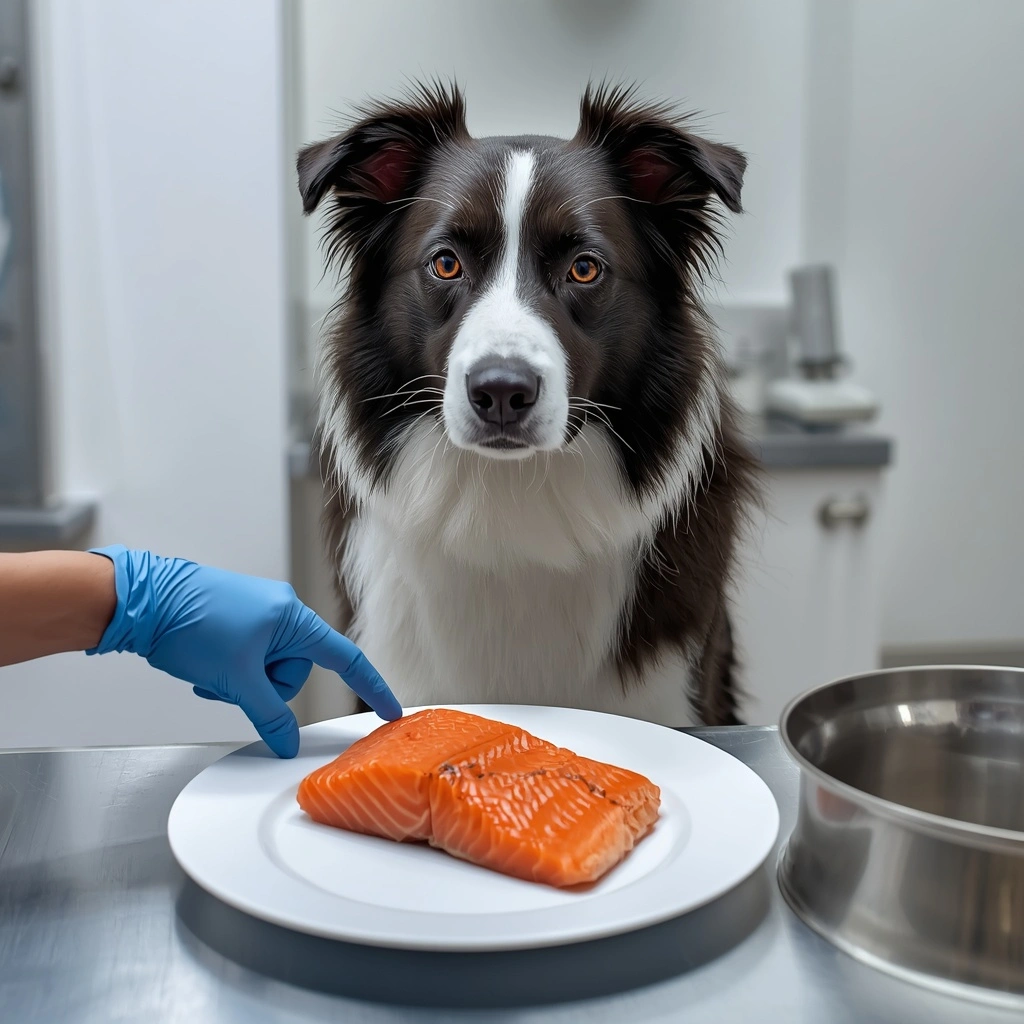
Yes, dogs can eat salmon when it is fully cooked, plain, and served in moderation. Salmon is an excellent source of high-quality protein, omega-3 fatty acids, vitamins, and minerals that can support your dog’s skin, coat, joints, brain, and immune system.
However, not every type of salmon is safe. Raw or undercooked salmon can contain harmful parasites and bacteria that may make dogs seriously ill. Salmon prepared with garlic, onions, butter, heavy seasonings, or excessive salt should also be avoided.
If served properly, cooked salmon can be a nutritious occasional treat or a healthy addition to your dog’s balanced diet.

Is Salmon Safe for Dogs?
Yes—plain, thoroughly cooked salmon is generally safe for healthy dogs.
Veterinarians often recommend fish as an alternative protein source for dogs with certain food sensitivities. Salmon provides essential nutrients while being easy for many dogs to digest.
To keep your dog safe:
- Always cook salmon completely.
- Remove every bone before serving.
- Avoid oils, butter, sauces, garlic, onions, and spices.
- Feed only small portions as a treat.
- Introduce salmon gradually if it’s your dog’s first time eating it.
Nutritional Benefits of Salmon for Dogs
Salmon is one of the most nutrient-rich fish dogs can eat.
1. Rich in High-Quality Protein
Protein helps build and maintain:
- Strong muscles
- Healthy skin
- Body tissues
- Immune function
Active dogs especially benefit from quality animal protein.

2. Packed with Omega-3 Fatty Acids
Salmon is famous for its natural omega-3 fats (EPA and DHA).
These healthy fats may help support:
- Shinier coats
- Healthier skin
- Reduced inflammation
- Joint mobility
- Heart health
- Brain development in puppies
- Cognitive function in senior dogs
3. Supports Healthy Skin and Coat
Dogs suffering from dry skin or dull coats may benefit from the healthy fats naturally found in salmon.
Regular omega-3 intake may help reduce excessive shedding while improving coat quality.
4. Contains Important Vitamins
Cooked salmon provides several essential vitamins, including:
- Vitamin B12
- Vitamin B6
- Niacin
- Vitamin D
These nutrients support energy production, nerve function, and overall health.
5. Excellent Source of Minerals
Salmon also contains beneficial minerals such as:
- Selenium
- Potassium
- Phosphorus
These nutrients help maintain healthy bones, muscles, and immune function.
Potential Risks of Feeding Salmon to Dogs
Although salmon is healthy, it should be fed carefully.
1. Raw Salmon Can Be Dangerous
Never feed raw or undercooked salmon.
Raw salmon may contain parasites and harmful bacteria that can cause serious illness.
Cooking salmon thoroughly greatly reduces these risks.
2. Salmon Bones Are Hazardous
Small fish bones can:
- Choke your dog
- Damage the mouth
- Injure the throat
- Cause intestinal blockage
Always inspect cooked salmon carefully and remove every bone.
3. High Fat Content
While healthy fats are beneficial, eating too much salmon may contribute to:
- Upset stomach
- Vomiting
- Diarrhea
- Weight gain
- Pancreatitis in sensitive dogs
Moderation is essential.
4. Added Ingredients Can Be Toxic
Many human salmon recipes include ingredients that are unsafe for dogs.
Avoid salmon cooked with:
- Garlic
- Onion
- Butter
- Heavy oils
- Salt
- Pepper
- Spicy seasonings
- Lemon seasoning
- Marinades
- Barbecue sauce
Plain cooked salmon is always the safest option.
Can Puppies Eat Salmon?
Yes, puppies can eat small amounts of fully cooked salmon after they have started eating solid foods.
Salmon provides:
- DHA for brain development
- Protein for growth
- Healthy fats for skin and coat
Because puppies have sensitive digestive systems, introduce salmon slowly and feed only tiny portions.
How to Safely Prepare Salmon for Dogs
The healthiest preparation methods include:
- Baking
- Boiling
- Steaming
- Grilling without seasoning
Before serving:
- Cook thoroughly.
- Let it cool completely.
- Remove all bones.
- Break into bite-sized pieces.
- Serve plain without sauces or spices.
Avoid smoked, cured, or raw salmon.
How Much Salmon Can Dogs Eat?
Even though salmon is nutritious, it should only be an occasional treat rather than a daily meal. A good rule is that treats, including salmon, should make up no more than 10% of your dog’s daily calorie intake.
Recommended Serving Size
| Dog Size | Weight | Cooked Salmon |
|---|---|---|
| Extra Small | Up to 10 lbs | 1–2 small bites |
| Small | 10–20 lbs | 1–2 teaspoons |
| Medium | 20–50 lbs | 1–3 tablespoons |
| Large | 50–90 lbs | ¼–⅓ cup |
| Giant | Over 90 lbs | Up to ½ cup |
Feed salmon only once or twice a week unless your veterinarian recommends otherwise.
Can Dogs Eat Canned Salmon?
Yes, dogs can eat plain canned salmon occasionally, but it should be:
- Packed in water rather than oil
- Low in sodium or no salt added
- Free from seasonings and sauces
Drain the liquid before serving. Some canned salmon contains soft edible bones that are safe because they are pressure-cooked, but check carefully before feeding.
Can Dogs Eat Smoked Salmon?
No.
Smoked salmon is not recommended for dogs because it usually contains:
- High amounts of salt
- Preservatives
- Smoke flavorings
- Seasonings
Too much sodium can lead to dehydration and, in severe cases, salt poisoning.
Can Dogs Eat Salmon Skin?
Yes, cooked salmon skin can be safe in small amounts if it is:
- Fully cooked
- Plain
- Free from oil and seasoning
However, salmon skin is high in fat. Feeding too much may upset your dog’s stomach or increase the risk of pancreatitis in sensitive dogs.
Can Dogs Eat Salmon Oil?
Yes. Salmon oil is a popular supplement for dogs because it is rich in omega-3 fatty acids.
Potential benefits include:
- Healthier skin
- Shinier coat
- Joint support
- Heart health
- Brain function
Only use a salmon oil product made specifically for pets and follow the dosage instructions or your veterinarian’s advice.
Signs Your Dog May Be Allergic to Salmon
Although uncommon, some dogs can develop a fish allergy.
Watch for signs such as:
- Itchy skin
- Red ears
- Excessive scratching
- Vomiting
- Diarrhea
- Swollen face
- Hives
Stop feeding salmon and contact your veterinarian if these symptoms appear.
When Should You Call a Veterinarian?
Contact your veterinarian immediately if your dog:
- Eats raw or undercooked salmon
- Swallows large fish bones
- Vomits repeatedly
- Has severe diarrhea
- Becomes unusually weak or lethargic
- Shows difficulty breathing or facial swelling after eating salmon
Prompt veterinary care can prevent serious complications.
Frequently Asked Questions (FAQs)
Can dogs eat salmon every day?
No. Salmon should be fed as an occasional treat, not as a daily food.
Is cooked salmon better than raw salmon for dogs?
Yes. Fully cooked salmon is much safer because cooking destroys harmful parasites and bacteria.
Can dogs eat grilled salmon?
Yes, if it is grilled plain without butter, garlic, onions, salt, or spices.
Is salmon good for puppies?
Yes. Small portions of fully cooked salmon can support healthy growth and brain development, but it should be introduced gradually.
Can senior dogs eat salmon?
Yes. The omega-3 fatty acids in salmon may help support joint mobility and cognitive health in older dogs.
Final Verdict
Yes, dogs can eat salmon when it is fully cooked, boneless, and served plain. Salmon is an excellent source of protein and omega-3 fatty acids that support healthy skin, a glossy coat, strong muscles, and overall well-being. However, raw salmon, smoked salmon, and heavily seasoned recipes should never be fed to dogs because they can pose serious health risks.
When offered in moderation as part of a balanced diet, cooked salmon can be a safe and nutritious treat for most dogs. Always introduce new foods slowly, monitor your dog’s reaction, and consult your veterinarian if you have concerns about your pet’s diet.
Previous Article Link Here.