
Why Is My Dog Vomiting?
If you’re asking, “Why is my dog vomiting?”, you’re not alone. Vomiting is one of the most common reasons dog owners contact their veterinarian. In many cases, vomiting is caused by something minor, such as eating too fast or consuming spoiled food. However, repeated vomiting or vomiting accompanied by other symptoms can indicate a more serious medical condition that requires prompt veterinary care.
Understanding the possible causes, recognizing warning signs, and knowing when to seek professional help can protect your dog’s health and prevent complications.
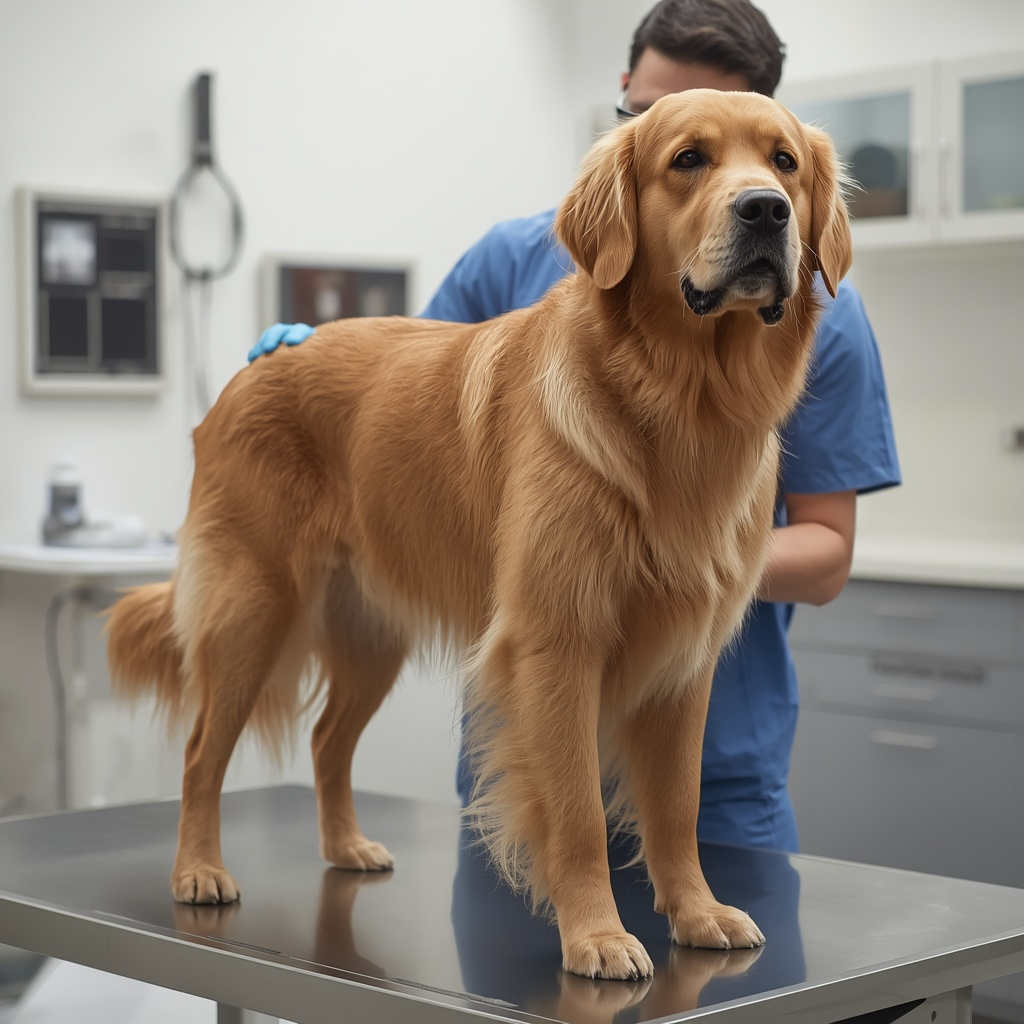
What Is Vomiting in Dogs?
Vomiting is the forceful expulsion of food or fluid from the stomach. It differs from regurgitation, which occurs without retching and usually happens shortly after eating.
Dogs may vomit:
- Undigested food
- Yellow bile
- White foam
- Clear liquid
- Grass
- Blood
- Foreign objects
The appearance of the vomit often provides helpful clues about the underlying cause.
Common Reasons Why Dogs Vomit
1. Eating Too Fast
Many dogs gulp down their food without chewing. This can irritate the stomach and cause vomiting shortly after eating.
Signs
- Vomits undigested food
- Happens within minutes after meals
- Dog acts normal afterward
Prevention
- Use a slow-feeder bowl
- Feed smaller meals
- Avoid excessive excitement during feeding
2. Dietary Indiscretion
Dogs love exploring with their mouths. Eating garbage, spoiled food, table scraps, or non-food items frequently causes stomach irritation.
Common examples include:
- Trash
- Greasy foods
- Bones
- Moldy food
- Plastic
- Fabric
- Toys
Symptoms may include:
- Vomiting
- Diarrhea
- Loss of appetite
- Stomach pain

3. Sudden Food Changes
Changing dog food too quickly can upset the digestive system.
To avoid stomach upset:
- Transition over 7–10 days
- Mix increasing amounts of new food with the old food
4. Food Allergies or Food Intolerance
Some dogs are sensitive to certain ingredients.
Possible triggers include:
- Chicken
- Beef
- Dairy
- Wheat
- Soy
Symptoms:
- Vomiting
- Diarrhea
- Itchy skin
- Ear infections
5. Motion Sickness
Some puppies and adult dogs become nauseous during car rides.
Signs include:
- Drooling
- Lip licking
- Restlessness
- Vomiting during travel
6. Eating Grass
Many dogs occasionally eat grass.
While occasional grass eating is usually harmless, excessive grass consumption followed by repeated vomiting may indicate stomach irritation.
7. Parasites
Intestinal worms may irritate your dog’s digestive tract.
Common parasites include:
- Roundworms
- Hookworms
- Whipworms
- Giardia
Symptoms:
- Vomiting
- Diarrhea
- Weight loss
- Pot-bellied appearance (especially puppies)
8. Viral or Bacterial Infections
Illnesses such as parvovirus or bacterial infections can cause severe vomiting.
Other symptoms include:
- Fever
- Bloody diarrhea
- Lethargy
- Dehydration
- Loss of appetite
Young puppies are especially vulnerable.
What Does the Color of Dog Vomit Mean?
Yellow Vomit
Usually contains bile and may occur when the stomach is empty.
White Foam
Often linked to stomach irritation, acid buildup, or mild gastritis.
Clear Liquid
May indicate an empty stomach, mild nausea, or excessive water intake.
Brown Vomit
May result from partially digested food or, in some cases, intestinal bleeding.
Green Vomit
Can occur after eating grass but may also indicate bile or ingestion of toxic substances.
Red or Bloody Vomit
This is considered an emergency and requires immediate veterinary attention.
Symptoms That Should Never Be Ignored
Seek veterinary care immediately if vomiting is accompanied by:
- Blood in vomit
- Repeated vomiting
- Severe diarrhea
- Extreme weakness
- Collapse
- Swollen abdomen
- Trouble breathing
- Continuous retching without producing vomit
- Ingestion of poison
- Foreign object ingestion
- Seizures
- High fever
These signs may indicate a life-threatening condition.
Can I Treat My Dog at Home?
If your dog vomits only once, remains active, and continues drinking water normally, mild home care may be appropriate.
Home care may include:
- Allowing the stomach to rest (only if advised by your veterinarian)
- Offering small amounts of fresh water
- Feeding a bland diet such as plain boiled chicken and plain white rice after vomiting has stopped
- Monitoring for additional symptoms
Do not give human medications unless specifically prescribed by a veterinarian.
Dogs at Higher Risk
Some dogs require faster veterinary evaluation, including:
- Puppies
- Senior dogs
- Pregnant dogs
- Dogs with diabetes
- Dogs with kidney disease
- Dogs with liver disease
- Very small breeds
- Dogs that have swallowed foreign objects
How Veterinarians Diagnose Vomiting in Dogs
If your dog’s vomiting continues or is accompanied by concerning symptoms, your veterinarian will perform a physical examination and ask questions such as:
- When did the vomiting start?
- How often is your dog vomiting?
- What does the vomit look like?
- Has your dog eaten anything unusual?
- Are there any other symptoms, such as diarrhea or lethargy?
Depending on your dog’s condition, the veterinarian may recommend:
- Blood tests
- Fecal examination
- Urinalysis
- X-rays
- Ultrasound
- Endoscopy
- Tests for viruses or parasites
These tests help identify the underlying cause and guide the best treatment plan.
How Is Vomiting in Dogs Treated?
Treatment depends on the cause of the vomiting.
Mild Stomach Upset
Your veterinarian may recommend:
- A bland diet
- Plenty of fresh water
- Rest
- Anti-nausea medication if needed
Dehydration
Dogs that have vomited repeatedly may require:
- Intravenous (IV) fluids
- Electrolyte replacement
- Hospital monitoring
Parasites
Treatment usually includes prescription deworming medication.
Bacterial Infections
Some infections require antibiotics, but only when prescribed by a veterinarian.
Foreign Object Blockage
If your dog has swallowed a toy, sock, bone, or another object, surgery or endoscopy may be necessary to remove it.
Chronic Medical Conditions
Dogs with conditions such as kidney disease, liver disease, pancreatitis, or diabetes will need treatment tailored to the underlying illness.
How to Prevent Vomiting in Dogs
While not every case can be prevented, these steps can reduce the risk:
- Feed a high-quality, balanced dog food.
- Introduce new foods gradually over 7–10 days.
- Keep garbage and spoiled food out of reach.
- Prevent access to toxic plants, chemicals, and medications.
- Avoid feeding cooked bones or fatty table scraps.
- Use a slow-feeder bowl if your dog eats too quickly.
- Keep toys that can be swallowed out of reach.
- Maintain regular parasite prevention.
- Schedule routine veterinary checkups.
When Should You Call the Vet Immediately?
Contact your veterinarian or an emergency animal hospital right away if your dog:
- Vomits more than two or three times in a day.
- Cannot keep water down.
- Has blood in the vomit.
- Has a swollen or painful abdomen.
- Is very weak, collapses, or is difficult to wake.
- Has persistent diarrhea along with vomiting.
- Swallowed a foreign object.
- Ate a toxic substance such as chocolate, grapes, xylitol, or certain medications.
- Is a puppy, senior dog, or has a chronic medical condition.
Prompt treatment can make a significant difference in your dog’s recovery.
Frequently Asked Questions (FAQs)
Why is my dog vomiting but acting normal?
A single episode of vomiting in an otherwise healthy, active dog may be caused by eating too quickly, dietary changes, or mild stomach irritation. If vomiting continues or other symptoms develop, consult your veterinarian.
Is yellow vomit dangerous?
Yellow vomit usually contains bile and may occur when a dog’s stomach is empty. Occasional bile vomiting is not always serious, but frequent episodes should be evaluated by a veterinarian.
Why is my dog vomiting white foam?
White foam may result from an empty stomach, mild gastritis, acid buildup, or irritation of the digestive tract. Persistent vomiting requires veterinary attention.
Can I give my dog human medicine for vomiting?
No. Many human medications can be harmful or toxic to dogs. Only give medication that has been prescribed or approved by your veterinarian.
Should I feed my dog after vomiting?
If your dog vomits once and then improves, your veterinarian may recommend offering small amounts of water first, followed by a bland diet such as plain boiled chicken and plain white rice. Always follow your veterinarian’s advice, especially if vomiting continues.
Conclusion
Vomiting in dogs is a common symptom with many possible causes, ranging from mild stomach upset to serious medical emergencies. Paying attention to how often your dog vomits, the appearance of the vomit, and any additional symptoms can help determine whether home monitoring or immediate veterinary care is needed.
If your dog vomits repeatedly, has blood in the vomit, cannot keep water down, or seems unusually weak or painful, seek veterinary care as soon as possible. Early diagnosis and treatment can help prevent complications and support a faster recovery.
Previous Article Link Here.