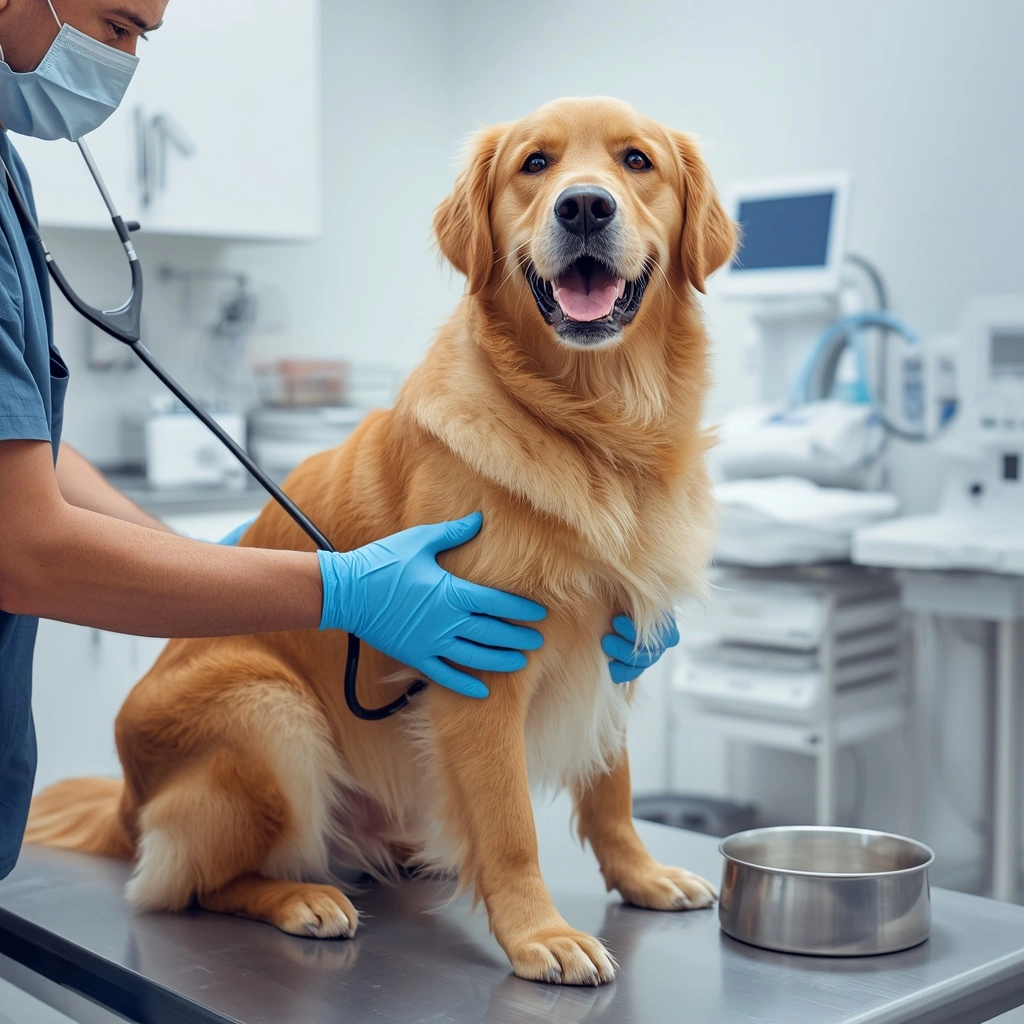
Why Is My Dog Throwing Up?
Seeing your dog throw up can be worrying, especially if it happens suddenly or more than once. While an occasional episode of vomiting isn’t always a sign of a serious problem, frequent or severe vomiting can indicate an underlying medical condition that requires veterinary care.
Dogs may vomit after eating too quickly, swallowing something they shouldn’t, or experiencing a mild stomach upset. However, vomiting can also be caused by infections, parasites, food allergies, pancreatitis, poisoning, kidney disease, liver disease, or even intestinal blockages.
Knowing the difference between a minor digestive issue and a medical emergency can help you protect your dog’s health. In this guide, you’ll learn the most common reasons dogs vomit, what different types of vomit may mean, warning signs to watch for, and when it’s time to call your veterinarian.

What Does Vomiting Mean?
Vomiting is the forceful expulsion of stomach contents through the mouth. It is the body’s natural defense mechanism for removing harmful substances or responding to irritation in the digestive system.
Vomiting is different from regurgitation.
Vomiting:
- Active process
- Often includes retching and abdominal contractions
- Food may be partially digested
- Usually comes from the stomach
Regurgitation:
- Passive process
- No retching
- Food is usually undigested
- Often comes from the esophagus
Knowing which one your dog is experiencing can help your veterinarian make an accurate diagnosis.
Common Causes of Vomiting in Dogs
1. Eating Too Fast
Some dogs eat so quickly that they swallow excessive air along with their food. This can irritate the stomach and cause vomiting shortly after eating.
Prevention Tips:
- Use a slow-feeder bowl.
- Feed smaller meals throughout the day.
- Avoid vigorous exercise immediately after meals.
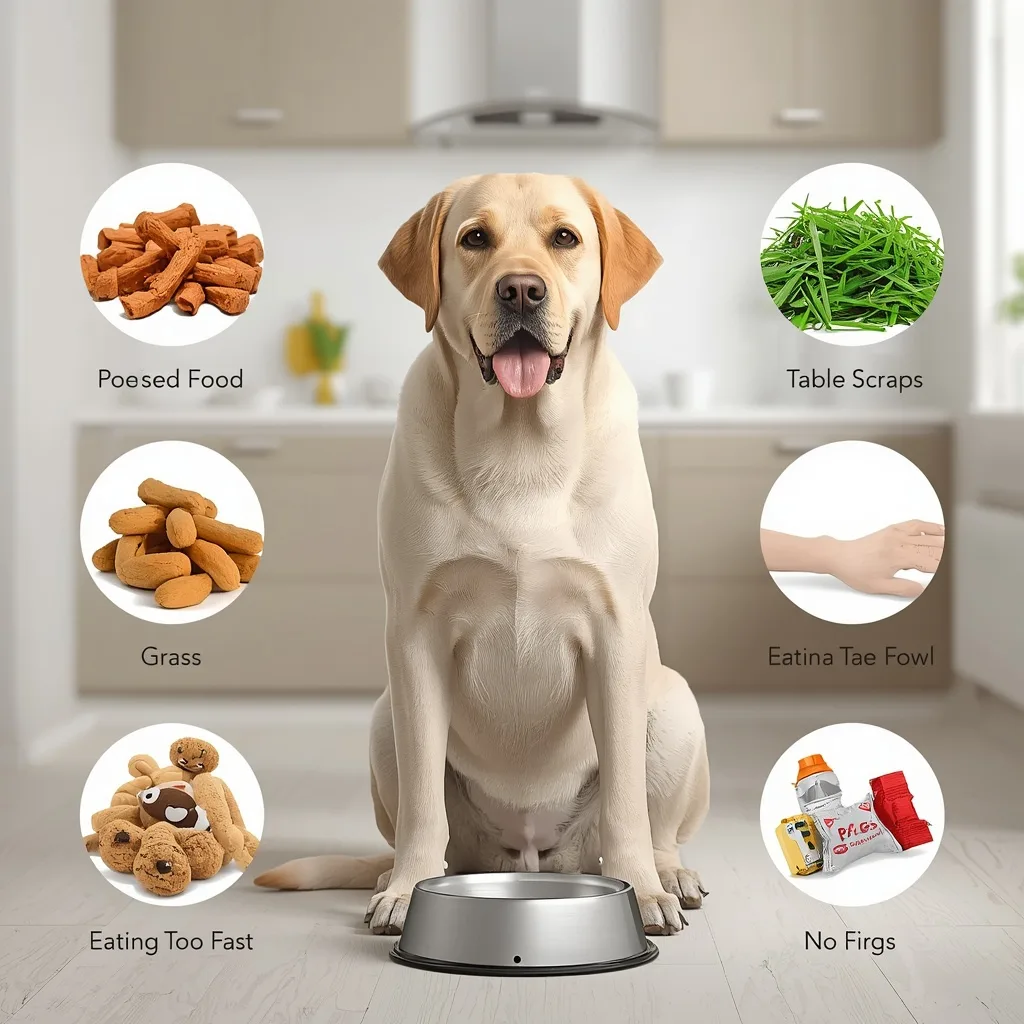
2. Dietary Indiscretion
Dogs love exploring with their mouths and may eat things that upset their stomach.
Common examples include:
- Garbage
- Spoiled food
- Greasy table scraps
- Bones
- Grass
- Foreign objects
Mild cases often resolve quickly, but swallowing foreign objects may require emergency surgery.
3. Sudden Food Changes
Changing your dog’s food too quickly can upset the digestive system.
Always transition gradually over 7–10 days by mixing increasing amounts of the new food with the old food.
4. Food Allergies or Intolerances
Some dogs have difficulty digesting certain ingredients.
Common triggers include:
- Beef
- Chicken
- Dairy products
- Wheat
- Soy
Food sensitivities may also cause diarrhea, itchy skin, and recurring ear infections.
5. Viral or Bacterial Infections
Several infectious diseases can cause vomiting.
Examples include:
- Canine Parvovirus
- Canine Coronavirus
- Distemper
- Salmonella infection
Puppies are especially vulnerable and should receive prompt veterinary care if vomiting occurs.
6. Intestinal Parasites
Parasites can irritate the digestive tract and cause:
- Vomiting
- Diarrhea
- Weight loss
- Poor appetite
Common parasites include:
- Roundworms
- Hookworms
- Whipworms
- Giardia
Routine fecal testing and parasite prevention help reduce the risk.
7. Pancreatitis
Pancreatitis is inflammation of the pancreas and is often triggered by eating fatty foods.
Symptoms include:
- Severe vomiting
- Abdominal pain
- Loss of appetite
- Lethargy
- Fever
This condition requires immediate veterinary treatment.
8. Poisoning
Dogs may vomit after eating toxic substances such as:
- Chocolate
- Grapes
- Raisins
- Onions
- Garlic
- Xylitol
- Household cleaners
- Certain plants
- Human medications
If you suspect poisoning, contact your veterinarian or an emergency animal hospital immediately.
9. Kidney or Liver Disease
Chronic diseases affecting the kidneys or liver often cause nausea and vomiting.
Other symptoms may include:
- Weight loss
- Increased thirst
- Bad breath
- Weakness
- Loss of appetite
Early diagnosis improves long-term outcomes.

10. Intestinal Blockage
Dogs sometimes swallow toys, socks, bones, rocks, or other foreign objects.
Signs include:
- Repeated vomiting
- No bowel movements
- Severe abdominal pain
- Loss of appetite
- Lethargy
An intestinal blockage is a medical emergency that often requires surgery.
Different Types of Dog Vomit and What They May Mean
The appearance of vomit can provide helpful clues about the underlying problem.
Yellow Vomit
Yellow vomit usually contains bile and may occur when a dog’s stomach is empty for too long.
White Foam
White foamy vomit may be caused by mild stomach irritation, acid buildup, or coughing.
Undigested Food
Vomiting undigested food shortly after eating may indicate eating too quickly or regurgitation.
Clear Liquid
Clear fluid may result from an empty stomach, mild nausea, or excessive drinking before vomiting.
Bloody Vomit
Blood in vomit is never normal and requires immediate veterinary attention.
Brown Vomit
Brown vomit may indicate digested blood or ingestion of fecal material and should always be evaluated by a veterinarian.
Symptoms That Should Never Be Ignored
Vomiting accompanied by any of the following symptoms requires prompt veterinary care:
- Repeated vomiting
- Bloody vomit
- Bloody diarrhea
- Severe lethargy
- Difficulty breathing
- High fever
- Swollen abdomen
- Collapse
- Pale or blue gums
- Refusing food for more than 24 hours
- Signs of dehydration
Puppies, senior dogs, and dogs with chronic medical conditions should be examined sooner because they can become seriously ill more quickly.
How Veterinarians Diagnose Vomiting
To determine the cause of vomiting, your veterinarian may perform:
- Physical examination
- Medical history review
- Blood tests
- Urinalysis
- Fecal examination
- X-rays
- Abdominal ultrasound
- Endoscopy
- Tests for infectious diseases
These diagnostic tests help identify the underlying cause and guide the most appropriate treatment plan.
Treatment for Dog Vomiting
The right treatment depends on what is causing your dog’s vomiting. While some mild cases improve with rest and a bland diet, frequent or severe vomiting should always be evaluated by a veterinarian.
1. Fluid Therapy
Vomiting causes dogs to lose fluids and electrolytes, increasing the risk of dehydration. Dogs with moderate to severe dehydration may need intravenous (IV) fluids or subcutaneous fluids to restore hydration.
2. Anti-Nausea Medication
Your veterinarian may prescribe anti-nausea medication to help control vomiting and allow your dog’s stomach to recover.
3. Treating the Underlying Cause
Additional treatment depends on the diagnosis and may include:
- Deworming medication for intestinal parasites
- Antibiotics for bacterial infections (only when necessary)
- Surgery for intestinal blockages
- Hospitalization for severe dehydration or poisoning
- Long-term management for kidney, liver, or pancreatic disease
Never give your dog human medications unless specifically instructed by your veterinarian.
Home Care Tips
If your dog vomits once but is otherwise alert and behaving normally, these home care tips may help:
- Provide plenty of fresh, clean water.
- Allow your dog’s stomach to rest if advised by your veterinarian.
- Feed small, frequent meals instead of one large meal.
- Keep your dog calm and avoid vigorous exercise.
- Monitor for additional vomiting, diarrhea, or changes in behavior.
- Gradually return to the regular diet after your dog has recovered.
If vomiting continues for more than 24 hours or worsens, contact your veterinarian immediately.
Best Foods to Feed After Vomiting
Once your veterinarian confirms it’s safe to feed your dog again, choose easily digestible foods such as:
- Plain boiled chicken (boneless and skinless)
- Plain white rice
- Plain boiled turkey
- Prescription gastrointestinal diet
- Fresh drinking water
Offer small portions several times a day instead of one large meal.
Foods to Avoid
Avoid feeding your dog these foods while recovering:
- Fatty foods
- Fried foods
- Dairy products
- Spicy foods
- Table scraps
- Chocolate
- Grapes
- Raisins
- Onions
- Garlic
- Foods containing xylitol
These foods can worsen vomiting or be toxic to dogs.
When Should You See a Veterinarian?
Seek veterinary care immediately if your dog has:
- Vomited multiple times in one day
- Blood in the vomit
- Vomiting with diarrhea
- Difficulty breathing
- Severe abdominal pain
- A swollen abdomen
- Signs of dehydration
- Loss of appetite for more than 24 hours
- Suspected poisoning
- Vomiting after swallowing a foreign object
Puppies, senior dogs, and dogs with chronic illnesses should always be examined sooner because they are more vulnerable to complications.
How to Prevent Vomiting in Dogs
Although vomiting cannot always be prevented, these healthy habits can lower your dog’s risk:
- Feed a high-quality, balanced diet.
- Introduce new foods gradually.
- Keep garbage and toxic foods out of reach.
- Prevent your dog from chewing on toys or objects that could be swallowed.
- Stay up to date with vaccinations and parasite prevention.
- Schedule routine veterinary wellness exams.
- Avoid sudden changes in diet.
- Feed smaller meals if your dog eats too quickly.
Frequently Asked Questions
Why is my dog throwing up but acting normal?
A single episode of vomiting may be caused by eating too quickly, mild stomach irritation, or dietary indiscretion. If your dog remains active and the vomiting does not continue, monitor them closely. If it happens again, contact your veterinarian.
What should I feed my dog after vomiting?
A bland diet such as plain boiled chicken and white rice is commonly recommended after veterinary guidance. Feed small portions and ensure your dog stays hydrated.
Is yellow vomit serious?
Yellow vomit usually contains bile and often occurs when a dog’s stomach is empty. Frequent bile vomiting or vomiting with other symptoms should be evaluated by a veterinarian.
Can stress make dogs throw up?
Yes. Stress from travel, boarding, loud noises, or changes in routine can upset a dog’s digestive system and occasionally lead to vomiting.
When is vomiting an emergency?
Vomiting becomes an emergency when it is repeated, contains blood, occurs with severe lethargy, breathing problems, abdominal swelling, suspected poisoning, or signs of dehydration.
Final Thoughts
Occasional vomiting in dogs is fairly common and is not always a sign of a serious illness. However, repeated vomiting, vomiting with blood, or vomiting accompanied by diarrhea, lethargy, fever, or dehydration should never be ignored.
By monitoring your dog’s symptoms, feeding a healthy diet, preventing access to harmful foods, and seeking prompt veterinary care when needed, you can help protect your dog’s health and support a faster recovery. When in doubt, it’s always safest to consult your veterinarian.
Previous Article Link Here.